
I visited 4 Chinese cities over a month (Shenzhen, Guangzhou, Chengdu, Shanghai) and spent ~5 days in Singapore. Here are some of the impressions I had.
What works
Quiet streets
- Electric cars & scooters make a big difference to how nice cities feel.
- Quieter, cleaner streets let you hear the people more; less overwhelming & more humane in general.
- A good number of Chinese car brands feel more advanced/luxurious than their Western counterparts.
- Solar tech is commonplace and widespread (street lights, cameras) and robots are not uncommon on streets and stations.
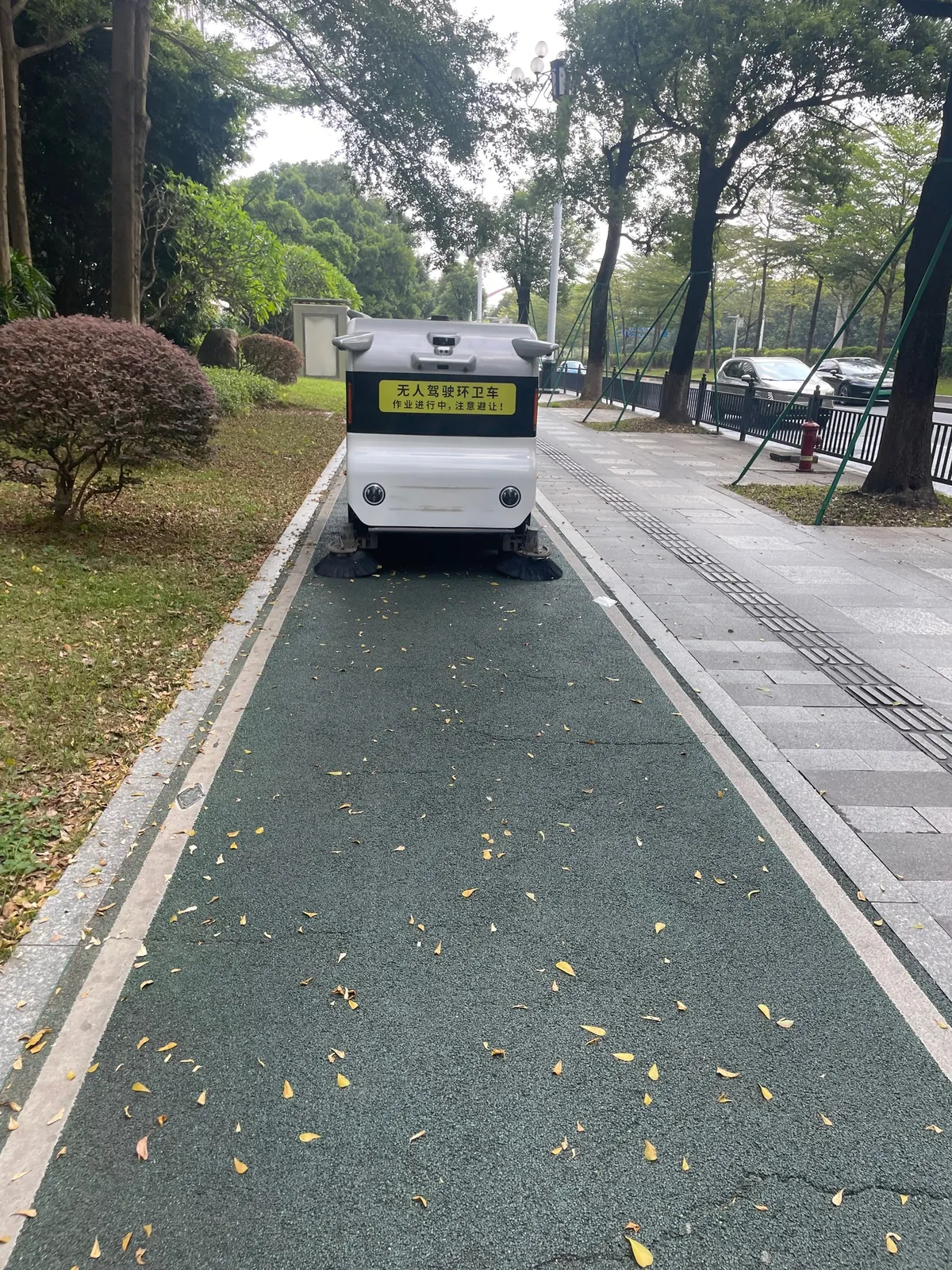
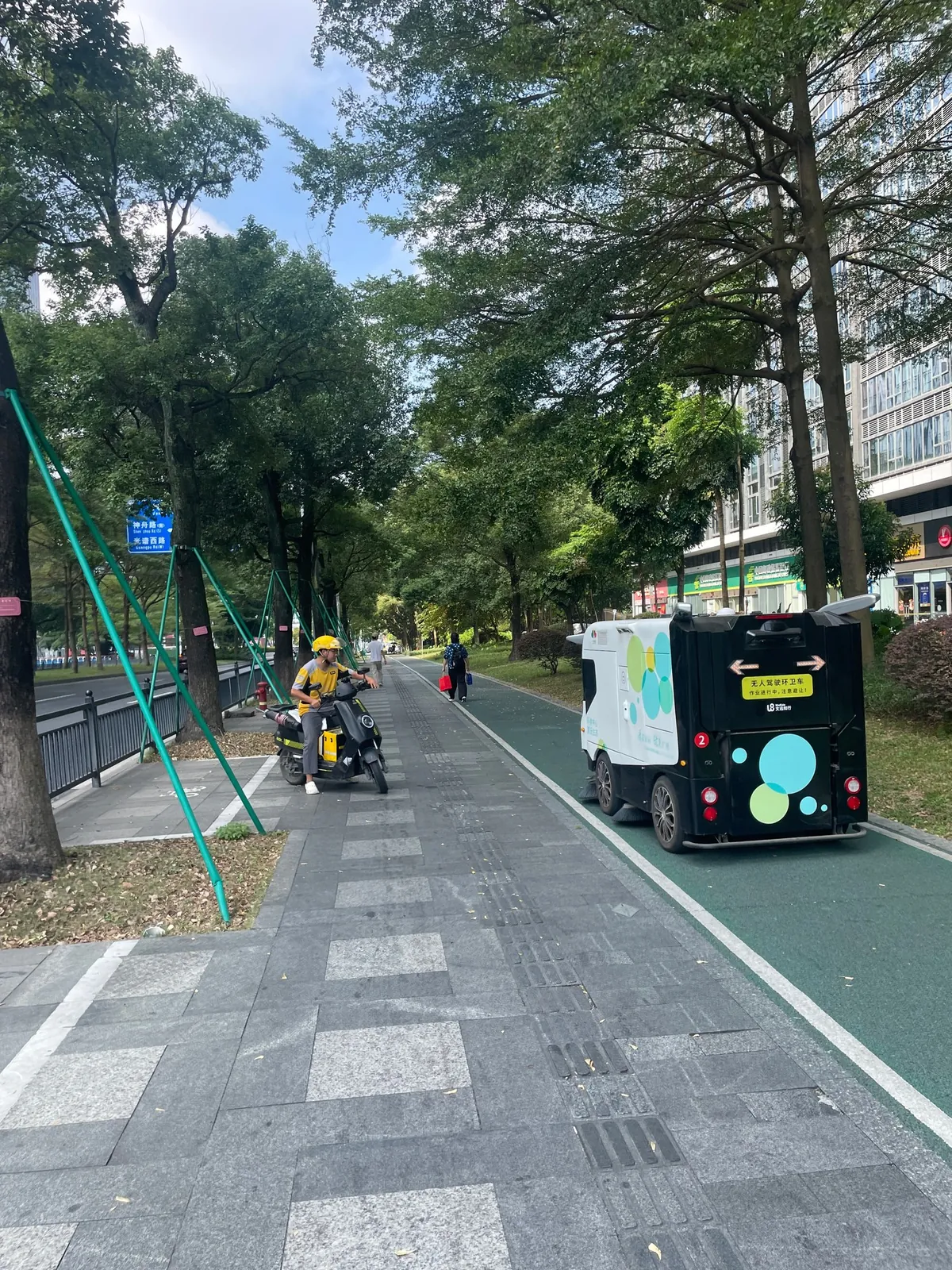
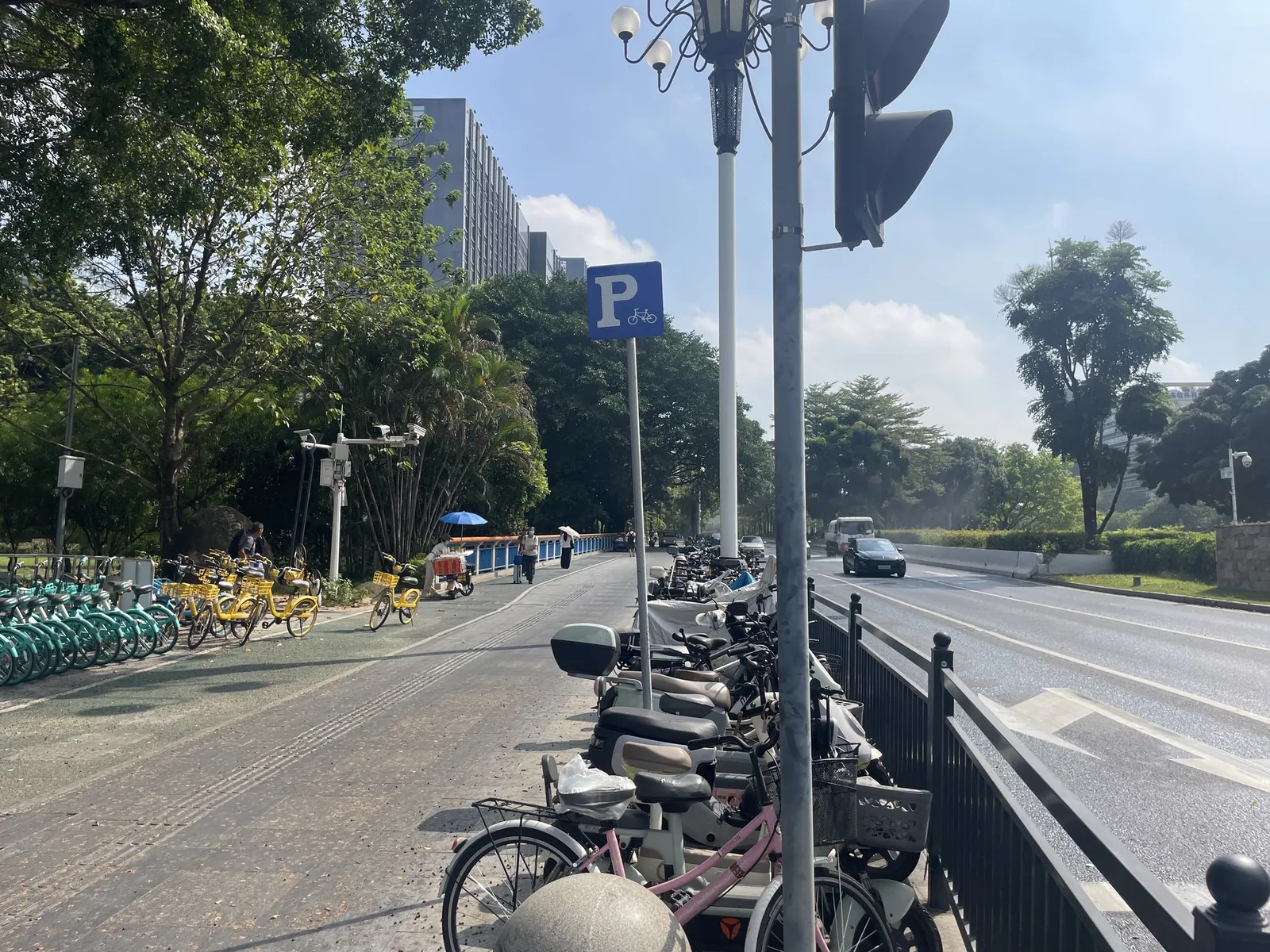
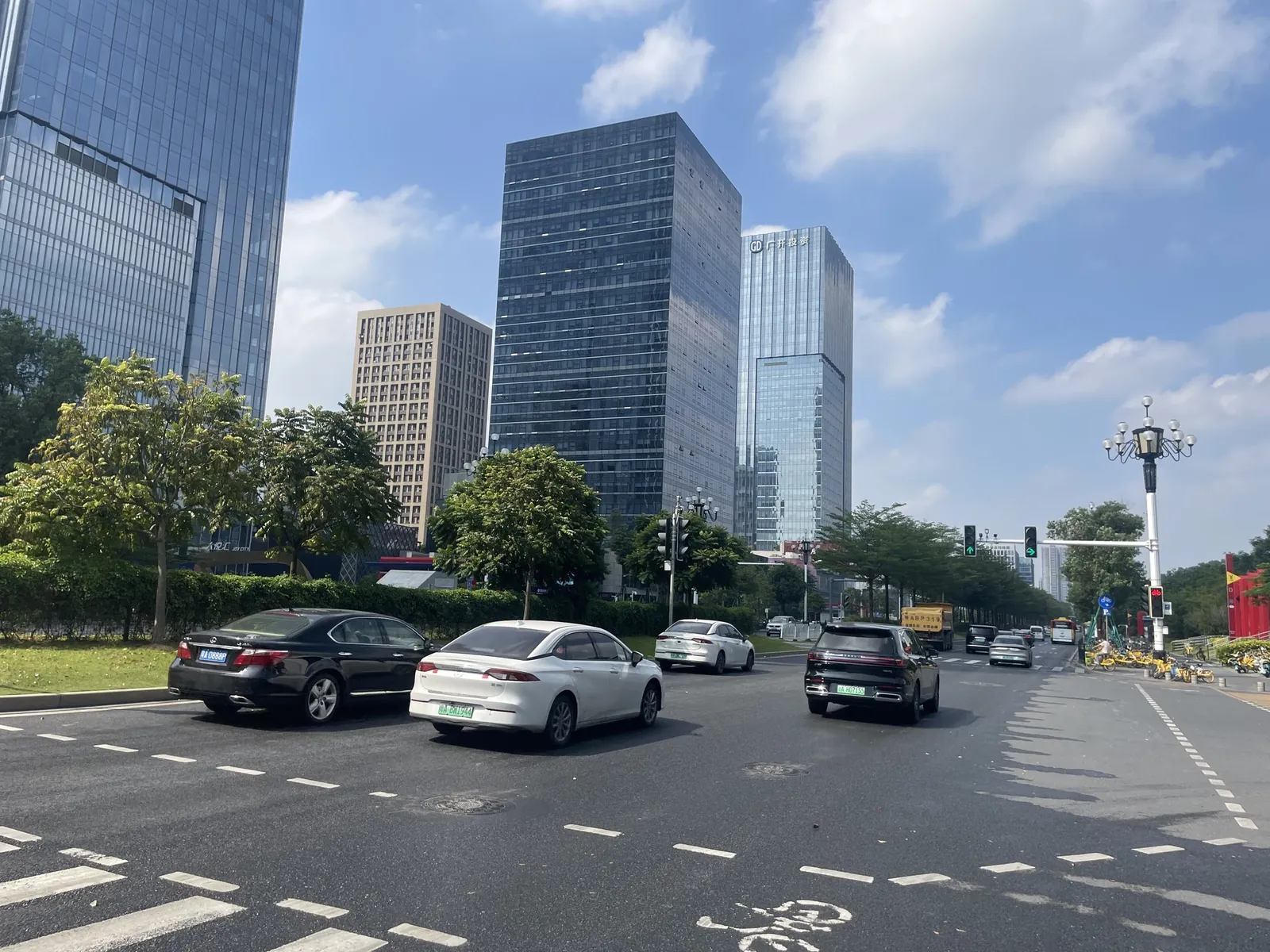 A driverless street sweeper, shared bikes and e-scooters (watch out they WILL ambush you), and green-plate EVs.
Functional cities and quality of life
- People really have cities figured out here. They feel so much more functional than their American counterparts, especially Guangzhou and parts of Shenzhen.
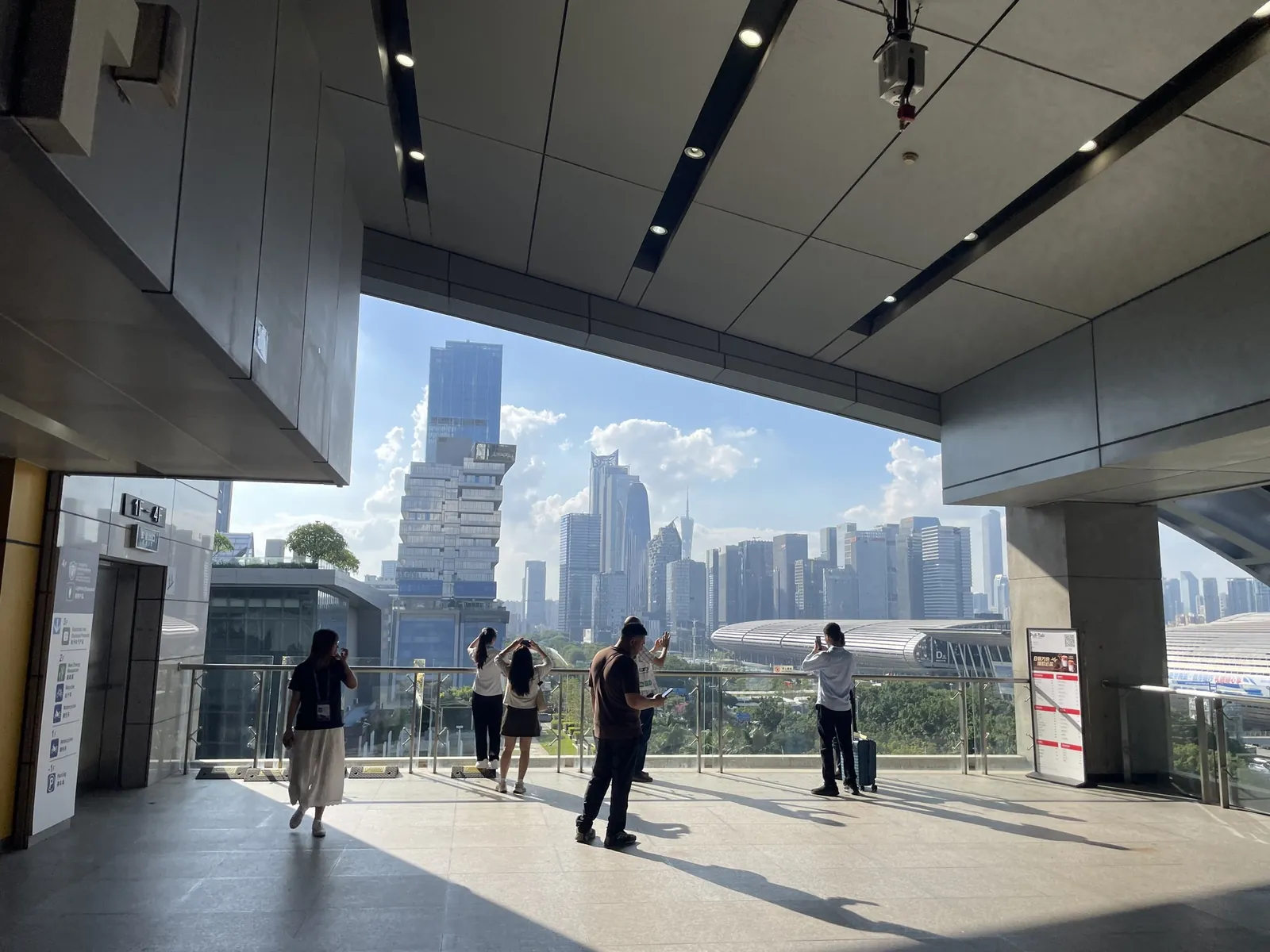 Looking out over Guangzhou from Pazhou.
- My quality of life felt higher and everything was cheaper. Partly that’s due to purchasing power differences, but in general there were things I could do that I just couldn’t in the States. (For instance, having great food options within walking distance even very late into the night!)
Public transit and high-speed rail
- Public transit is such a huge unlock, it’s crazy. Even privatized, freedom-valuing countries like the US are probably missing out by not having it. There, I said it.
- High-speed rail changes the economics of both money and time. You can live much farther from the city center and still get in easily, so new hubs and spokes can form. I suspect transit allows people to spread out instead of concentrating them, so they don’t all crowd into the same cities or car-dependent places.
- It’s so awesome to be able to go from one end of the country to another within a few hours, more comfortably than one could on planes.1
- People do seem to drive pretty slow though, despite the numerous lanes. Maybe traffic design is not that great ? Not sure what the problem is.
Safety and surveillance
- I saw homeless people less than 5 times during this whole period and they were all concentrated in a trading neighborhood in Guangzhou (vs hundreds in the US).
- Women seem safe and are out at 2 a.m. without any issues.
- I’m the last person to support surveillance states, but even without surveillance, why couldn’t others get their streets at least 75% as clean and safe as China?
Why it works
Work everywhere
- The sheer amount of complex work going on is crazy: fabrics, electronics, factories, trading. People everywhere, working on all kinds of things.
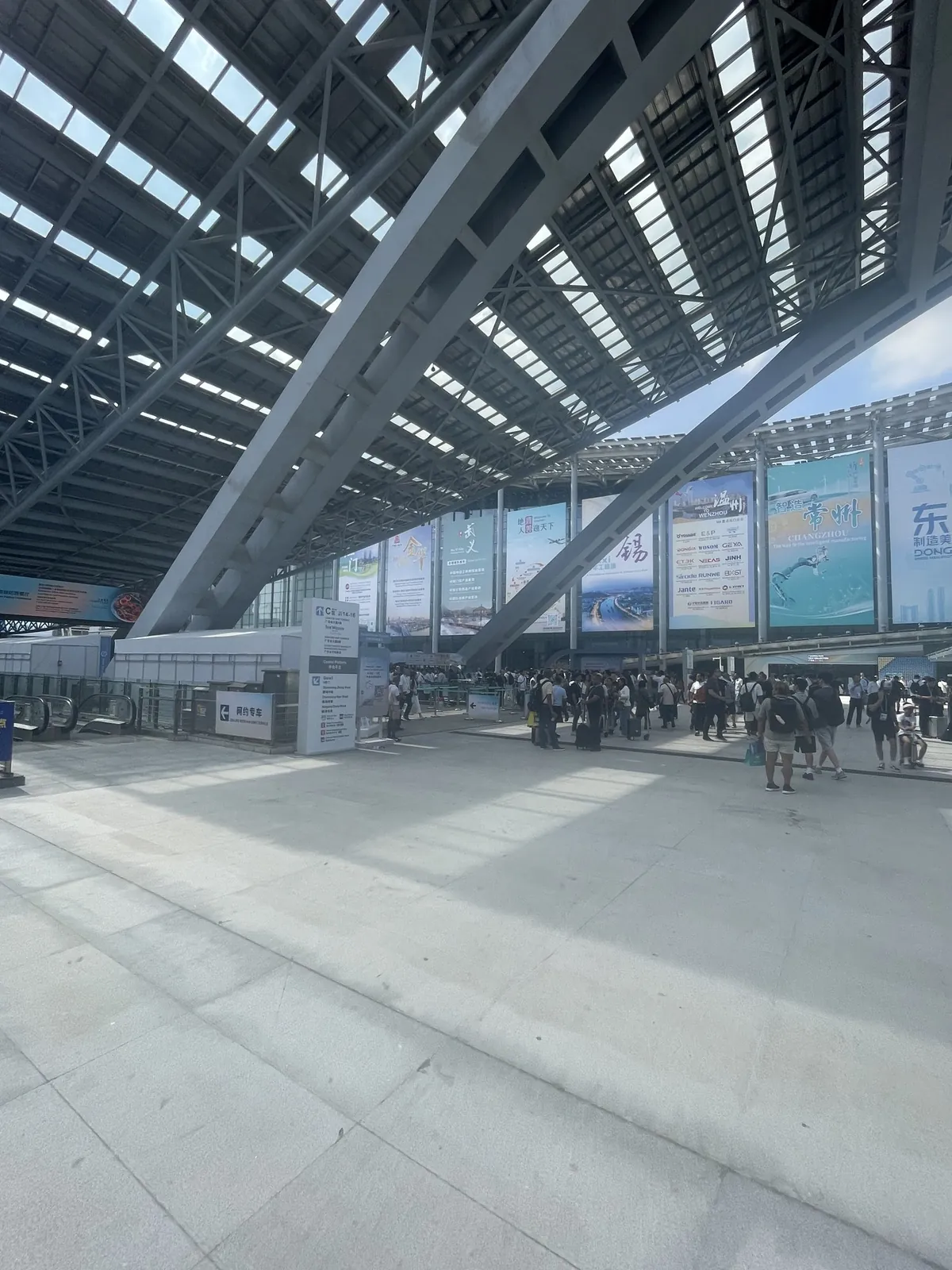
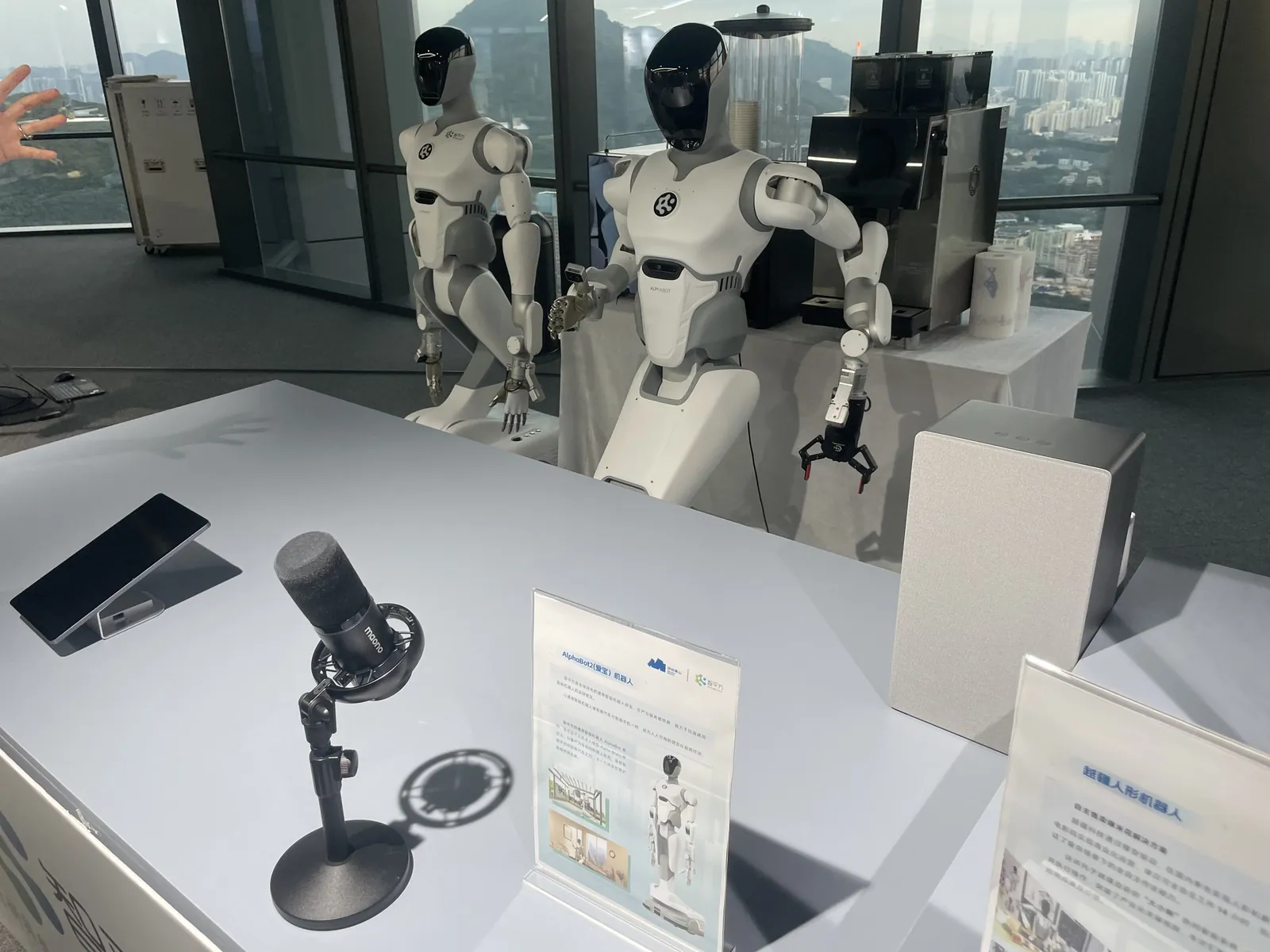 The Canton Fair complex in Guangzhou, and humanoid robots on a demo table in Shenzhen.
Collective competence versus individual talent
- Before institutions can achieve collective intelligence, they first need to prevent collective retardation.
- The US seems good at rewarding individual intelligence and moving geniuses up (cf. patio11’s The Sort), but it hasn’t worked out how to scale society.
- The Chinese on the other hand seem to have good collective intelligence. It shows in their engineering, infrastructure and even how people move on the street. I’m not entirely sure why; I wonder if this is an East Asian trait in general.
People
Friendliness and class
- It was very refreshing to be a minority - I often went days without seeing somebody who looked like me. I never felt like I was discriminated against.
- People are friendly and respectful, though not as open as Americans. Part of that might be the language barrier, and they might be even friendlier if I spoke Mandarin.
- I felt like people treated me the same regardless of their class. Strangers occasionally chatted me up; and whether I was invited to dinner by a construction worker, or by someone from a very well-off family, they were both equally generous and kind to me.
Faces and moods by city
- In Guangzhou and Shenzhen, people tend to wear more neutral expressions. Most people seem okay, but I’d need more time, and the local language, so I could be more open with people before I could really judge how they’re doing.
- The fertility rate doesn’t seem bad there. I saw kids on every street.2
- In Chengdu I saw people smiling a lot. It was also my best food experience: lots of flavor and variety. Sichuan hot pots are great!
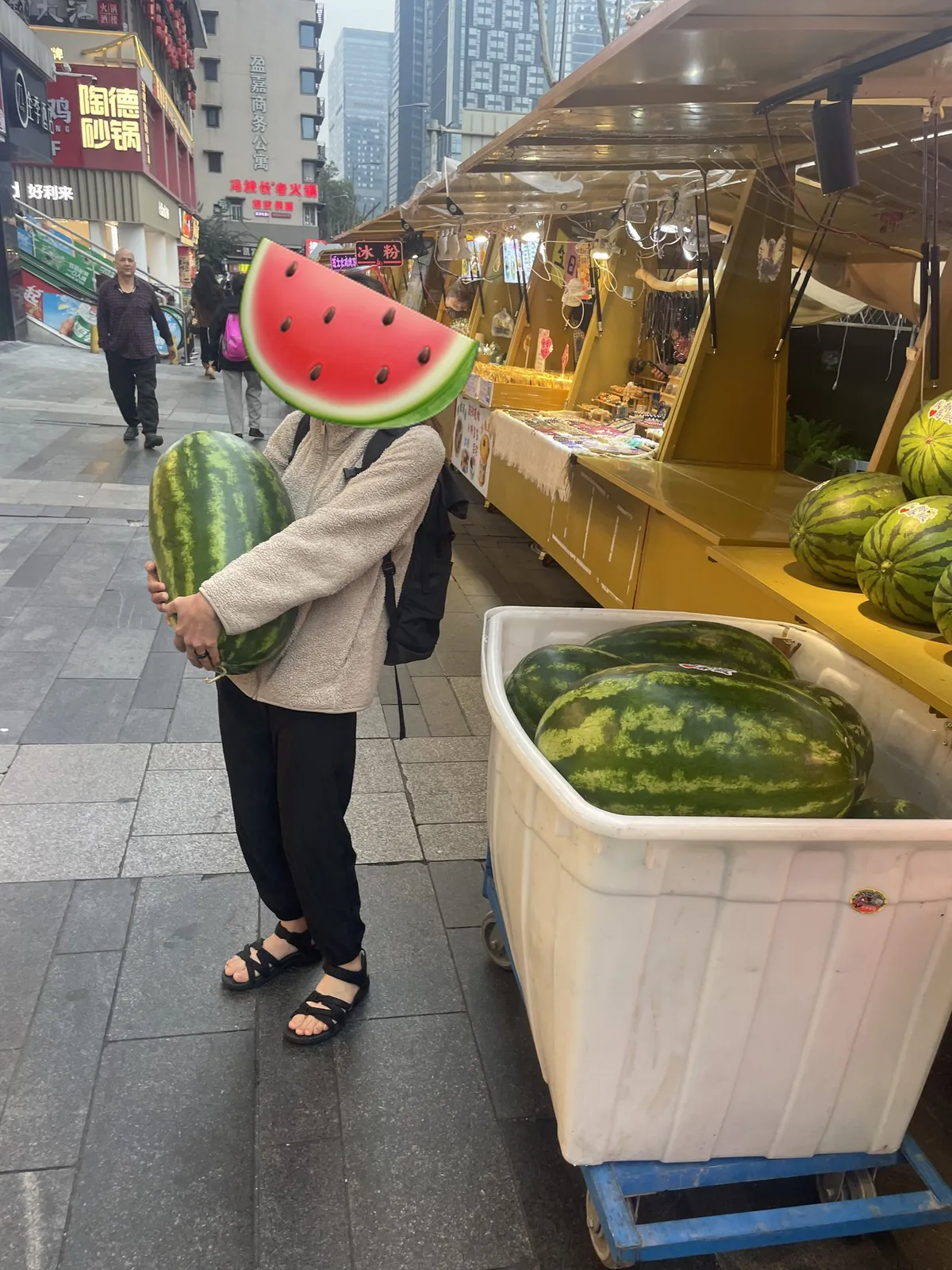
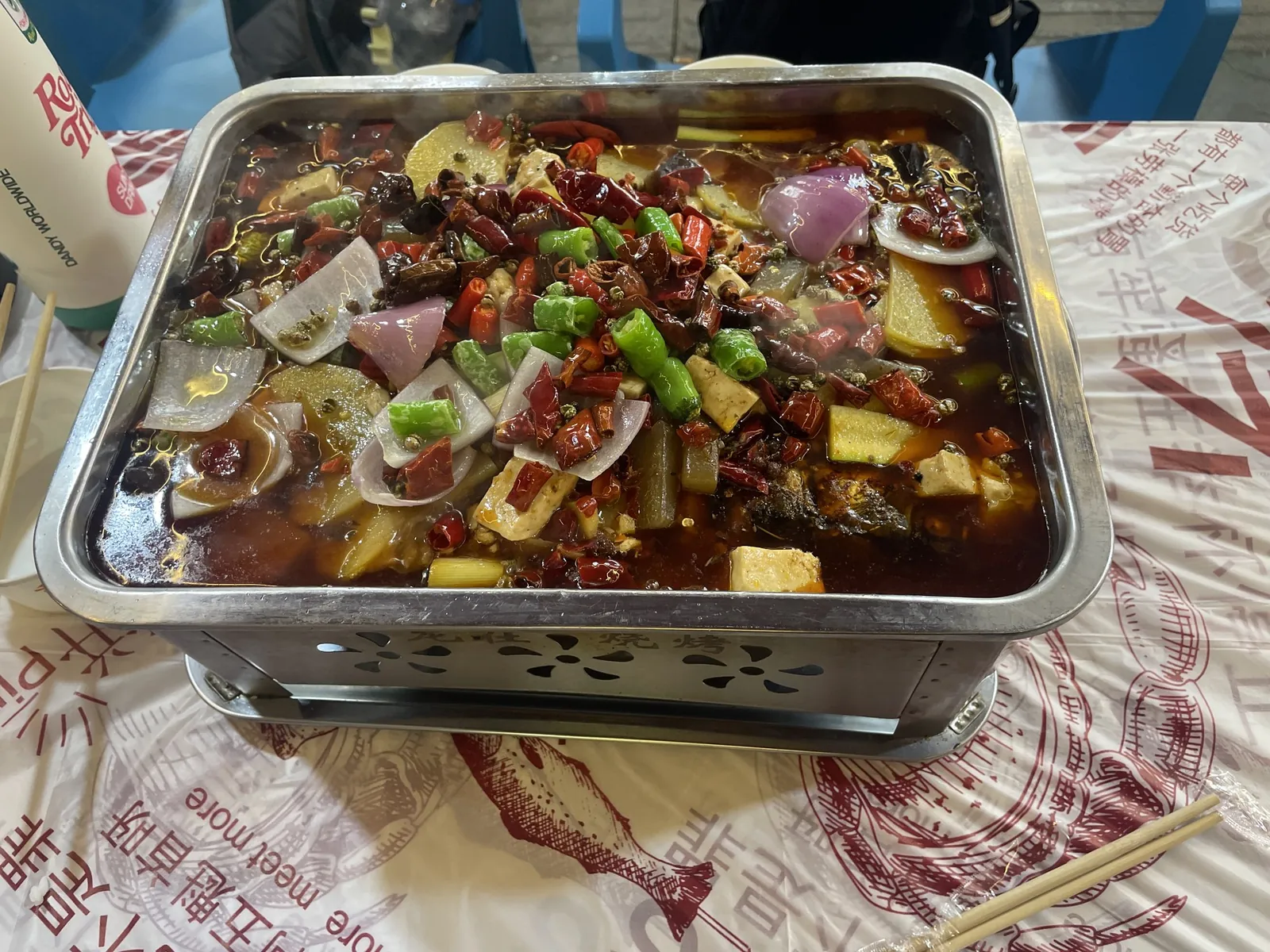
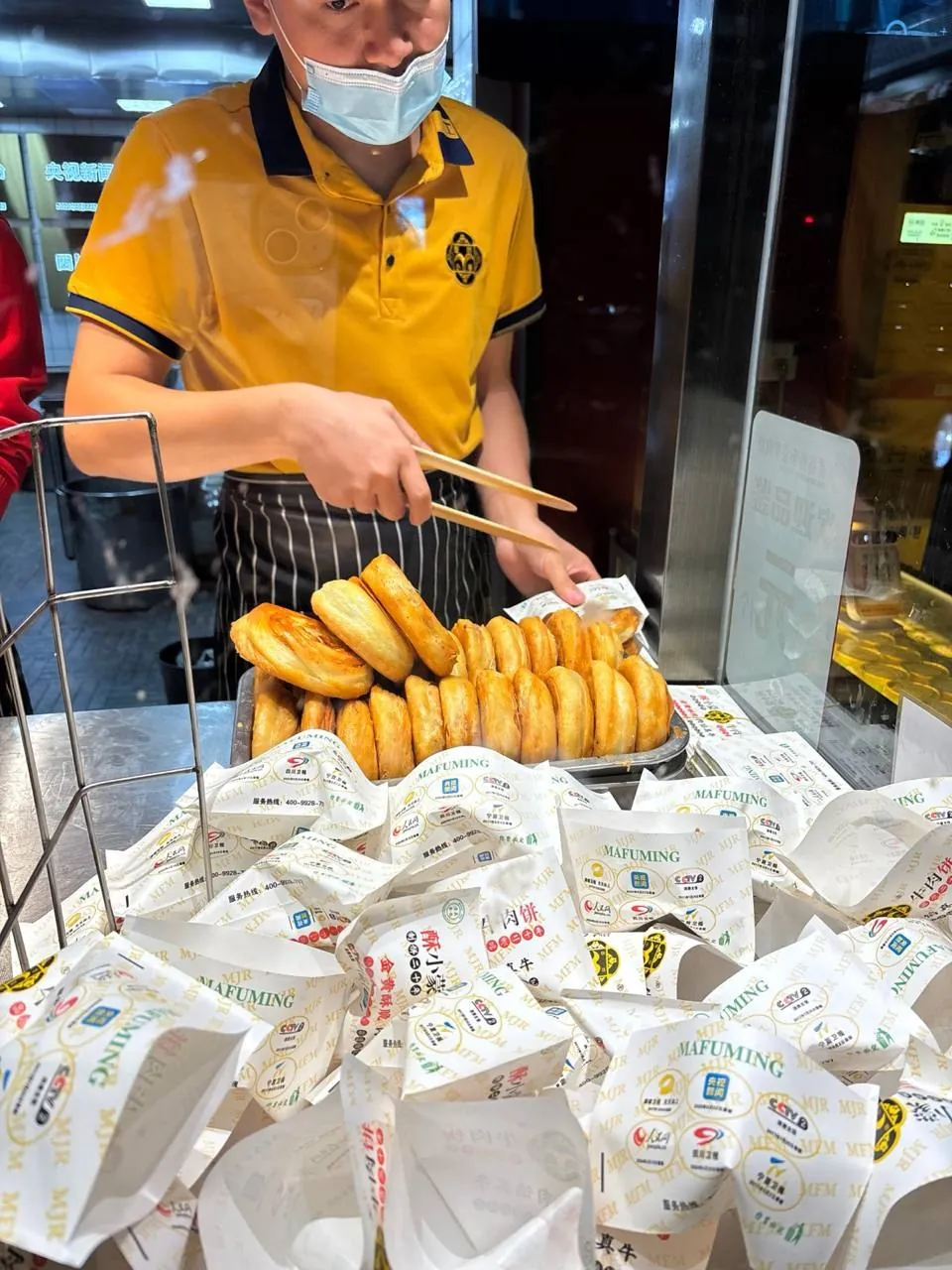
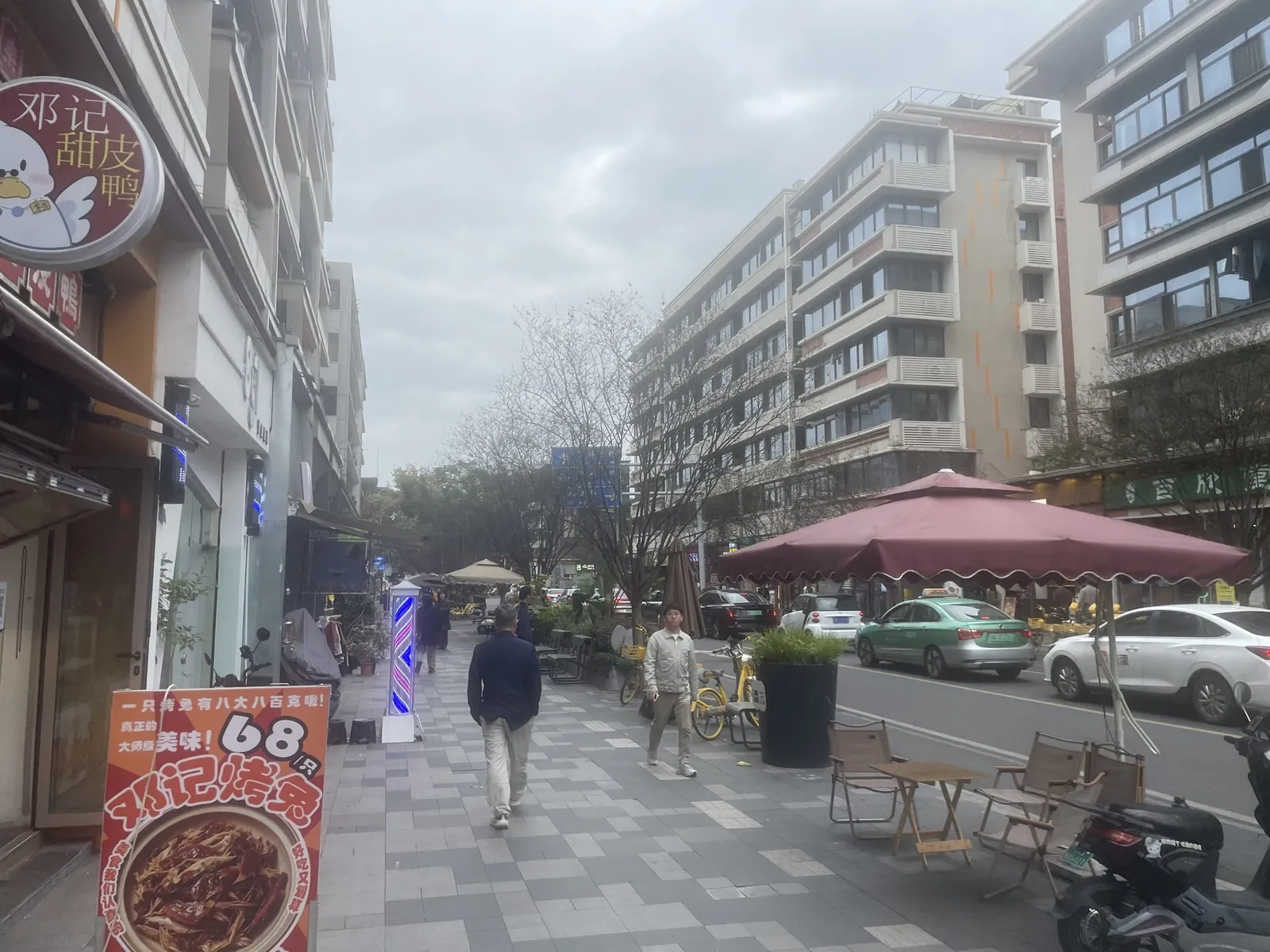
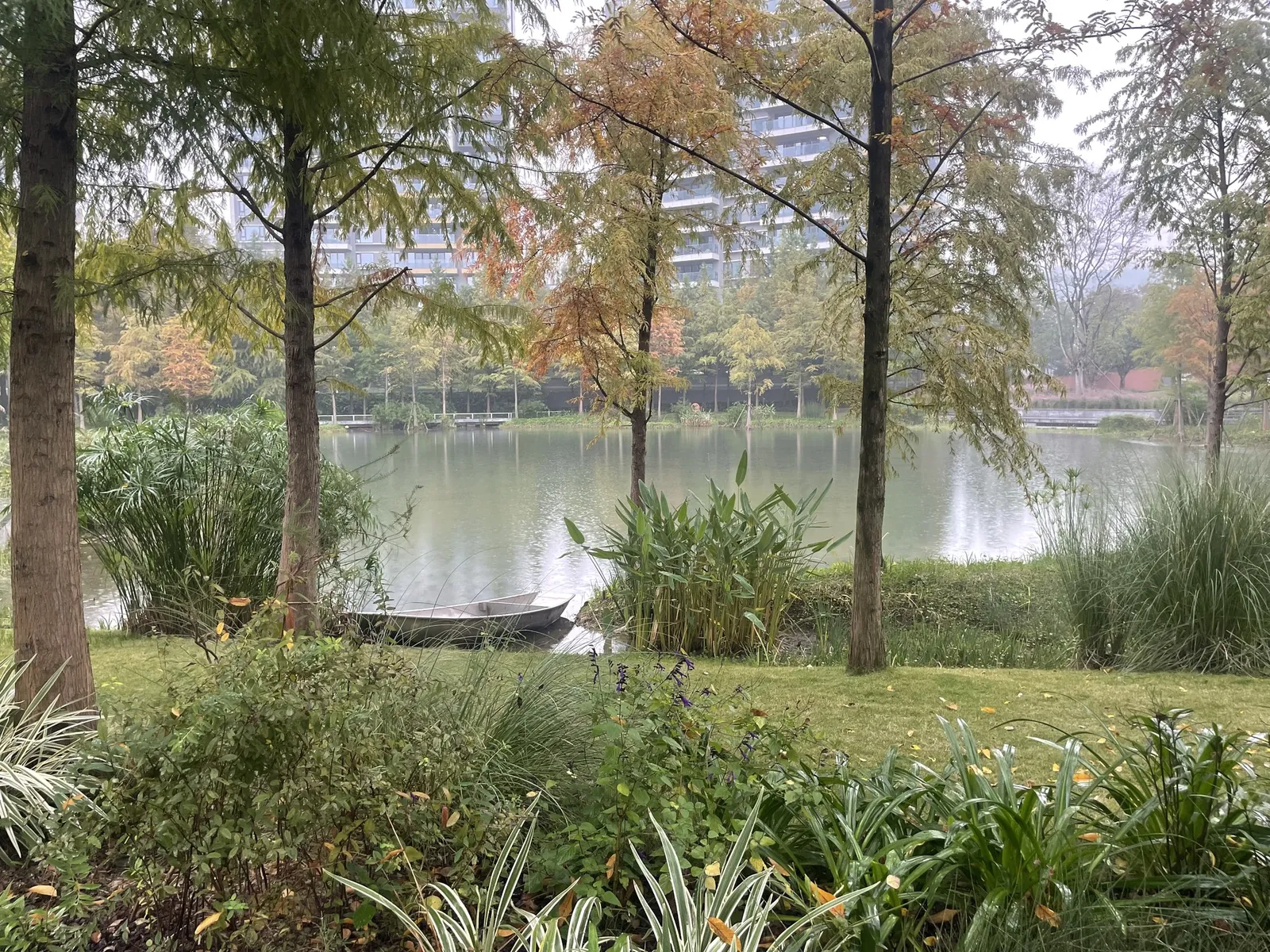
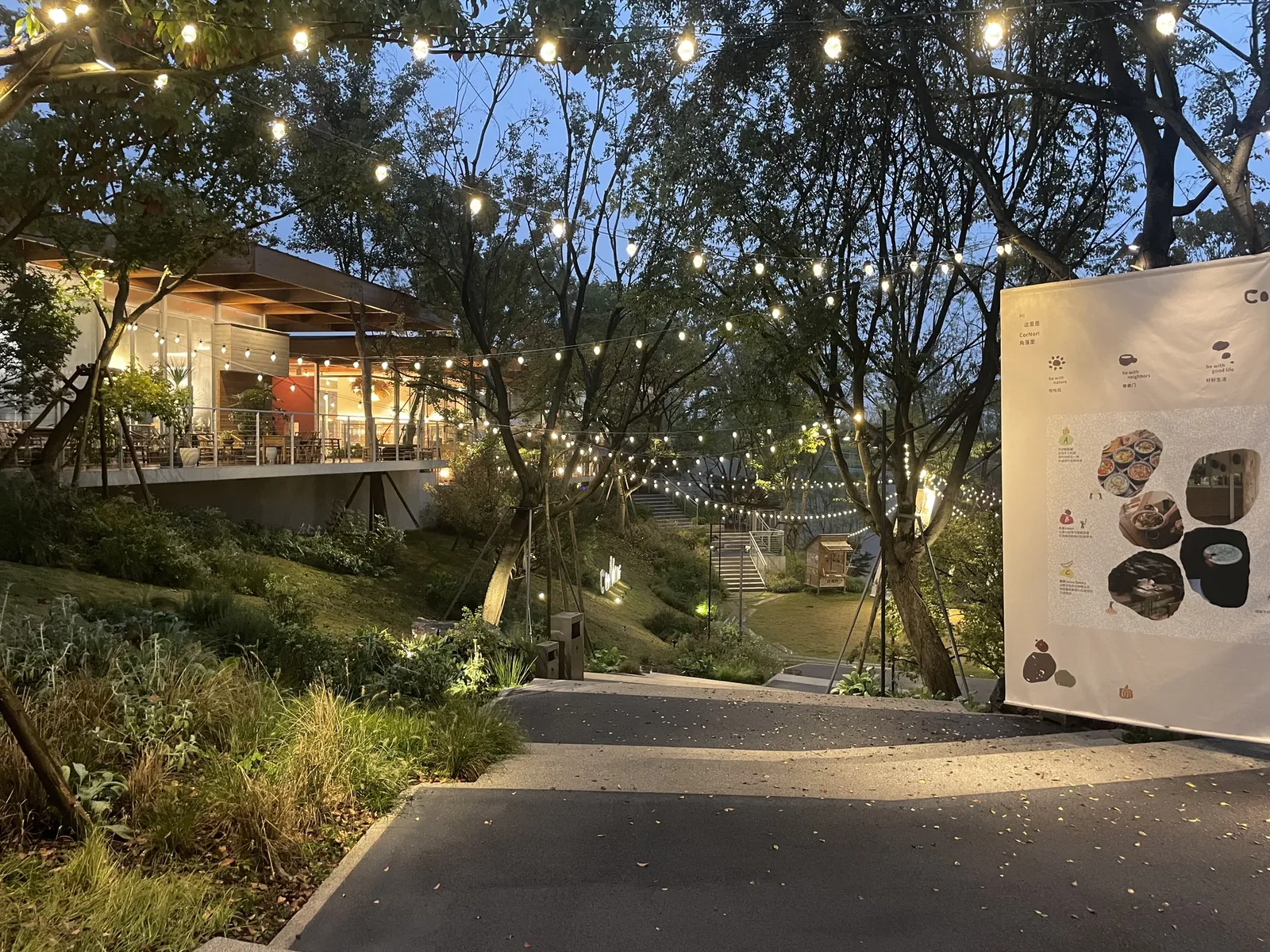 Chengdu: giant watermelons at a street market, grilled fish buried in chilies, hot flatbreads off a stall, and a lakeside park in the Tianfu New Area.
- In Shanghai people seem less open. They often have RBF / seem more in their shell; maybe because there’s so much going on. I saw few kids there but quite a few small dogs.
Regional differences
- People look quite different depending on the region.
- In Guangdong, people seem smaller, especially the women, who tend to be quite skinny.
- People up north are quite tall.3 The world is not ready for 5’10+ Chinese baddies - I even saw a few above 6ft. I’ve never witnessed that among the ethnic Chinese in the US 🫣
Muslims
- Muslims are much more numerous than I thought. I wonder whether there are more Muslims here than in parts of America. Halal food shops were quite common, often run by Xinjiang folks who openly wore caps etc.4 Pew estimates about 17 million Muslim adults in China (around 1.5–2%) and 5.5 million Muslims in the US in 2026 (about 1.6%).
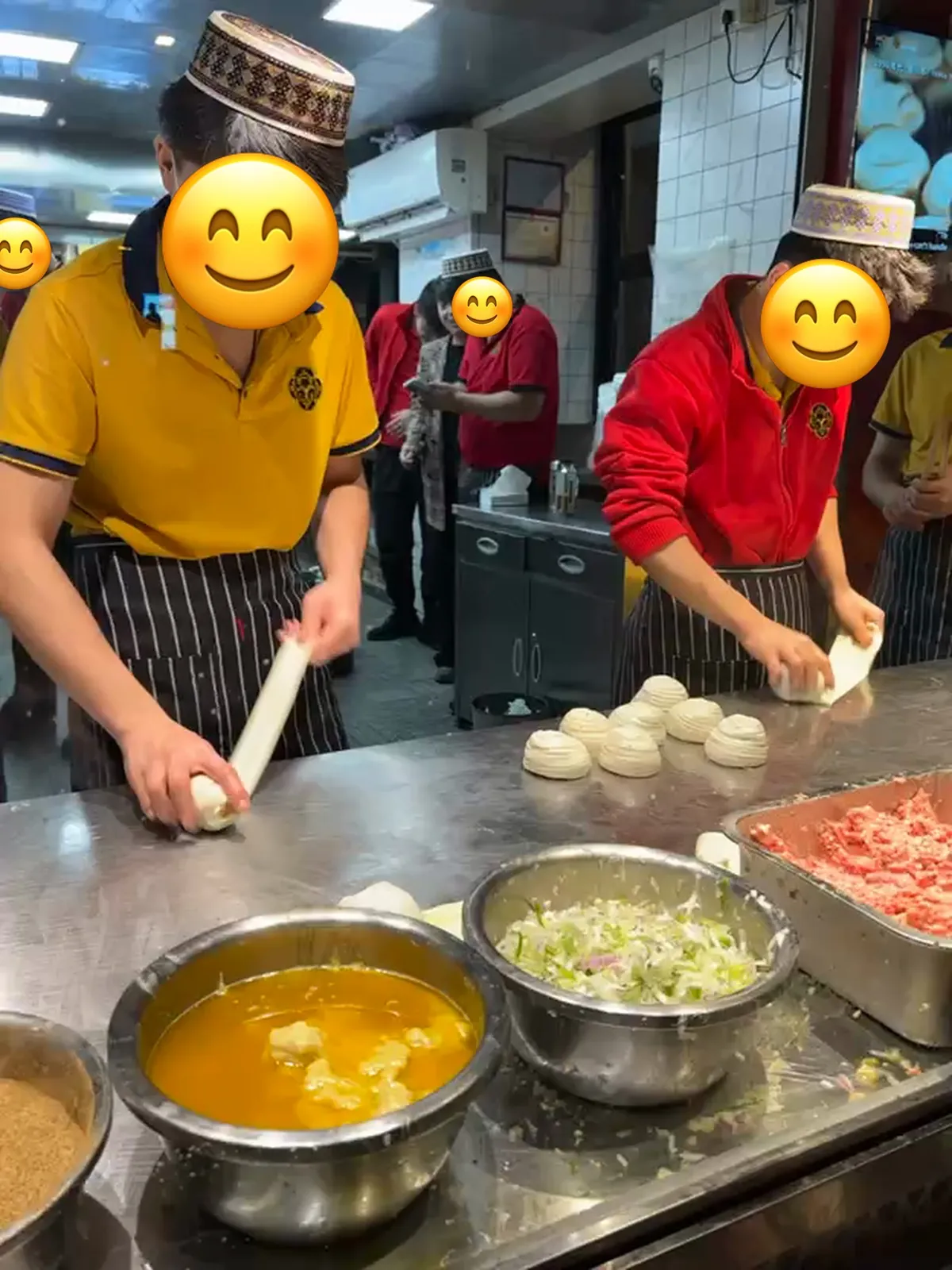 A flatbread stall in Chengdu. Notice the caps.
- I’m a little less convinced that Muslims are so badly persecuted here, at least where I’ve been.5 But I don’t know a lot about this.
Family, success, and ordinary versus unusual lives
- Family seemed to be the center of most people’s lives, and people seemed to think of themselves as part of a group first. Possessing collective consciousness can feel suffocating, but many people I met seemed to do well by it.
- Generally it seems China makes an ordinary life easier to live and an unusual one harder to choose, unless the state has a reason to promote it (e.g. hard sciences).
Where it falls short
Shenzhen: great in pictures
- Some pockets of Shenzhen like the Talent Park feel like the future, but there’s still some things missing.
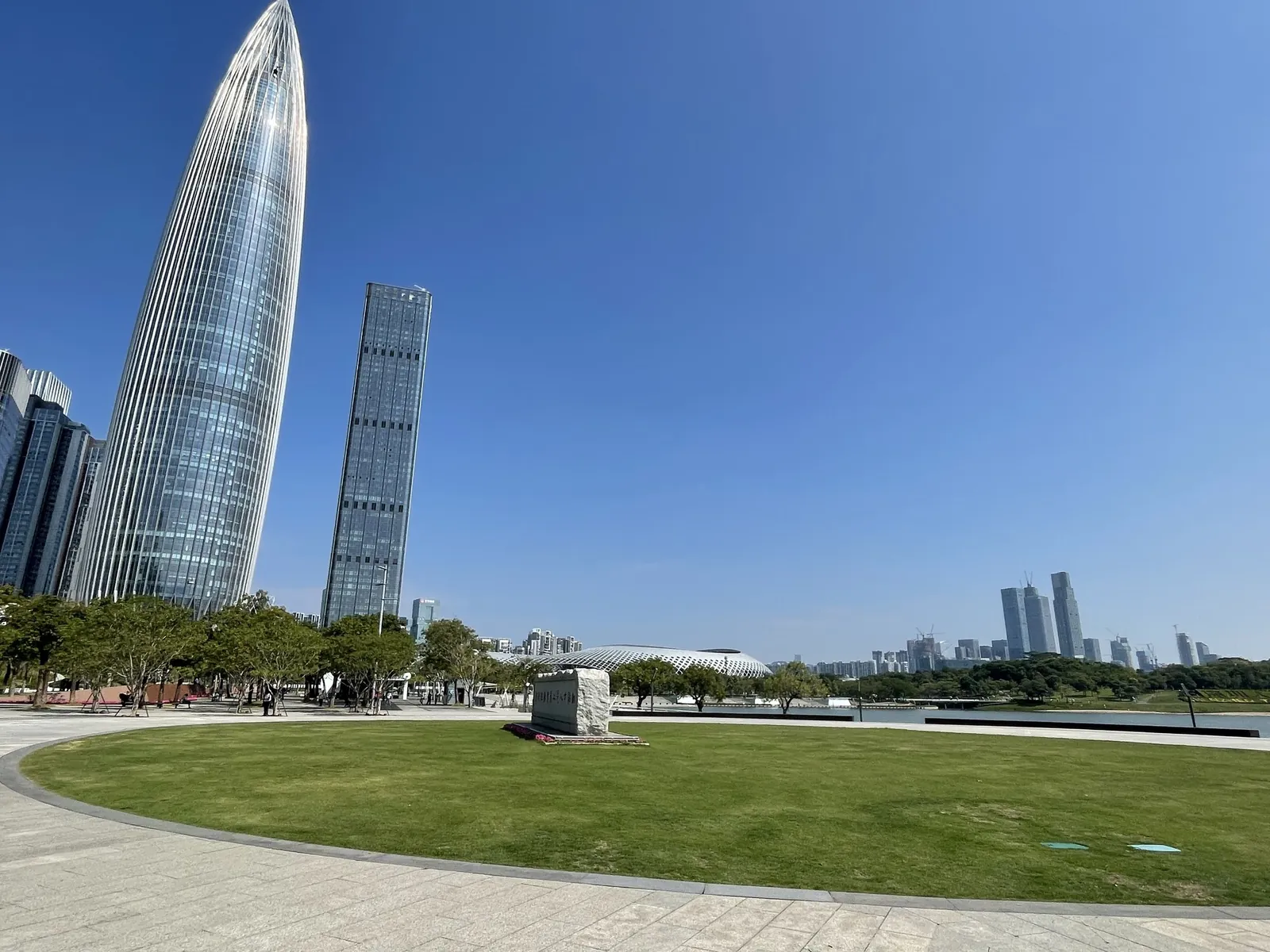
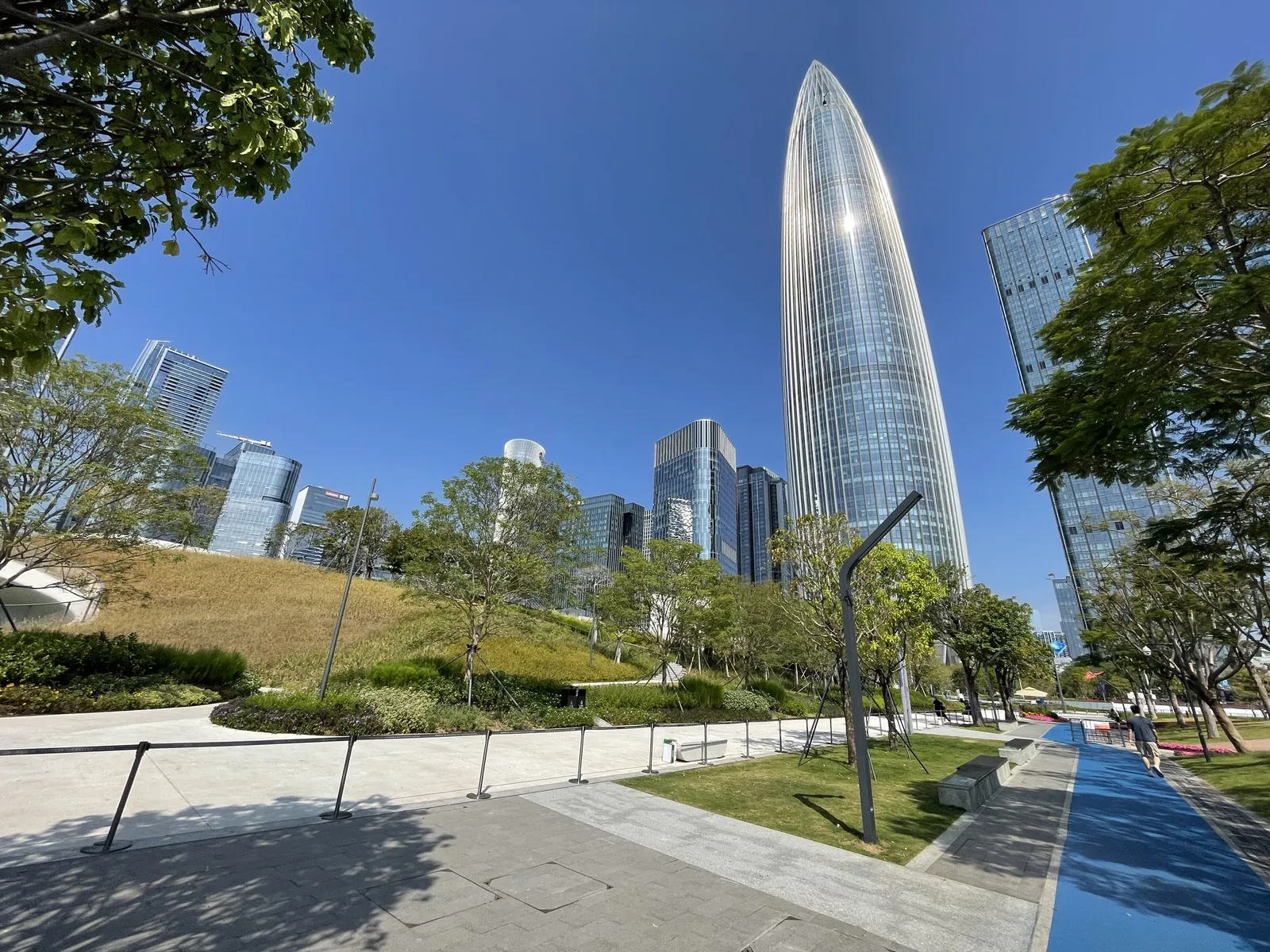
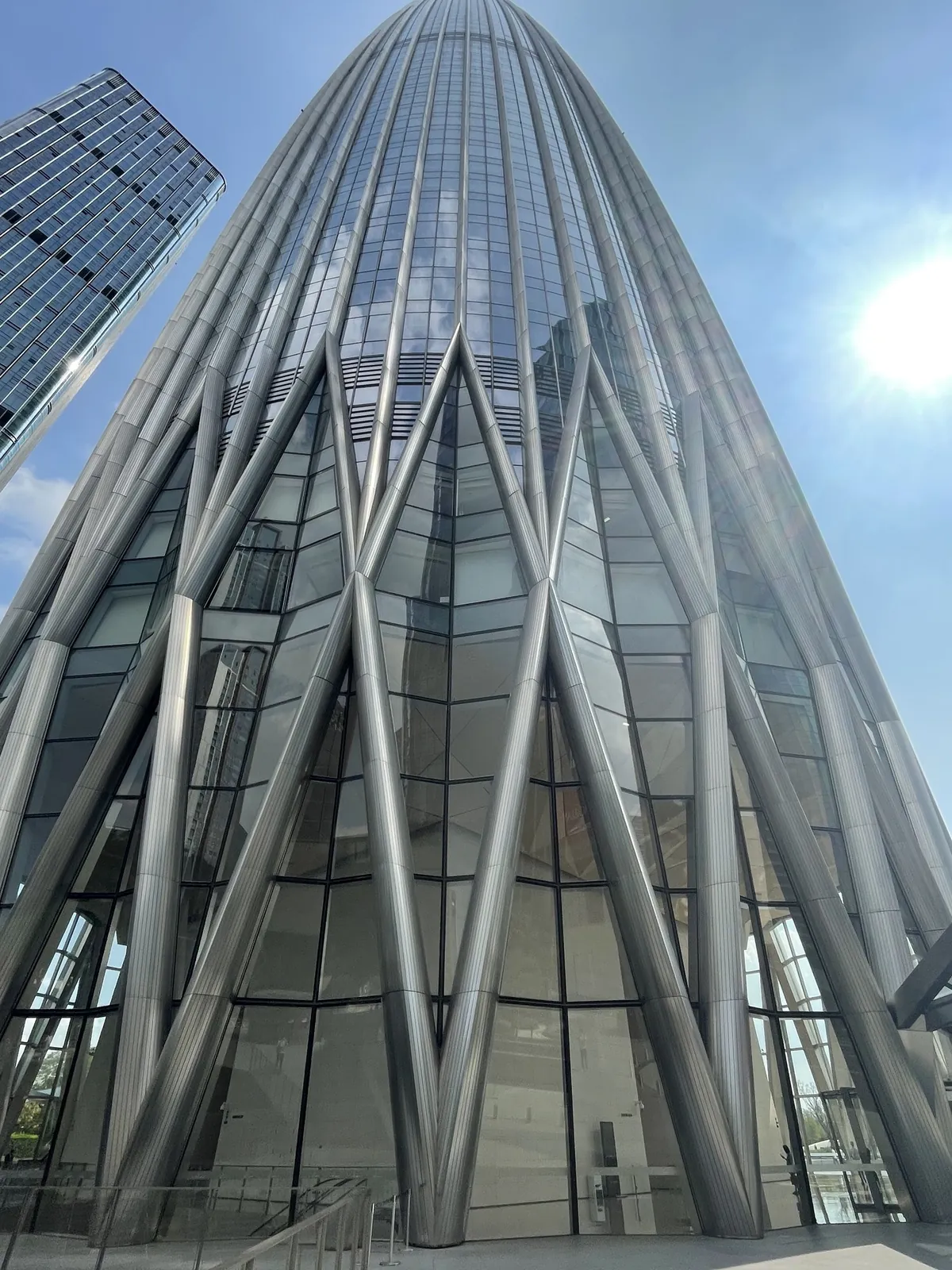
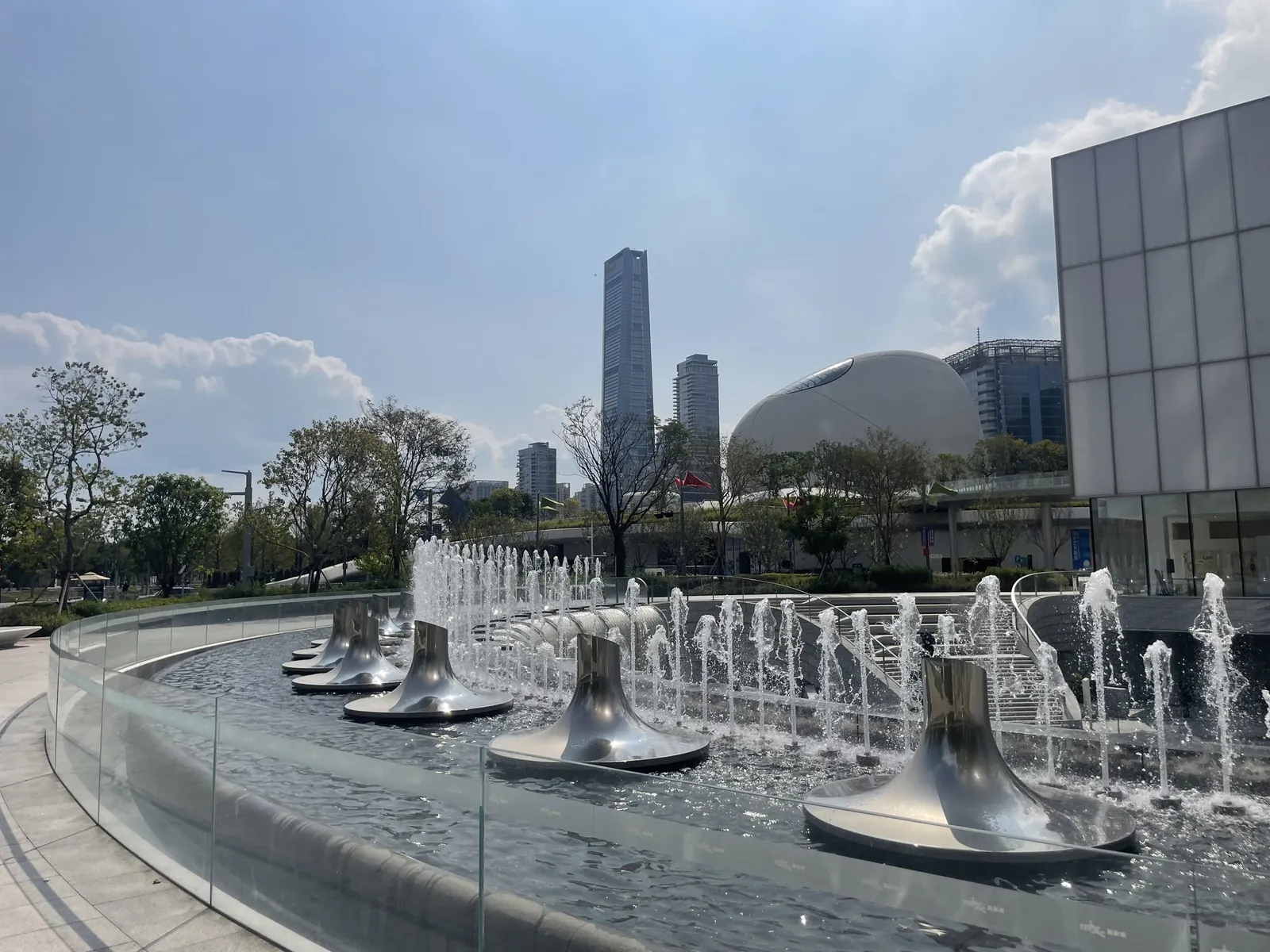 Talent Park and Shenzhen Bay in Nanshan, Shenzhen: the China Resources Tower from the park and from its base, and the fountains nearby.
- When you’re on the ground it doesn’t feel like anybody’s home, but more like a planned city (which I guess it is). It’s car/road-dominated. People call it a workplace city: many people come only to work, and the native population is low.
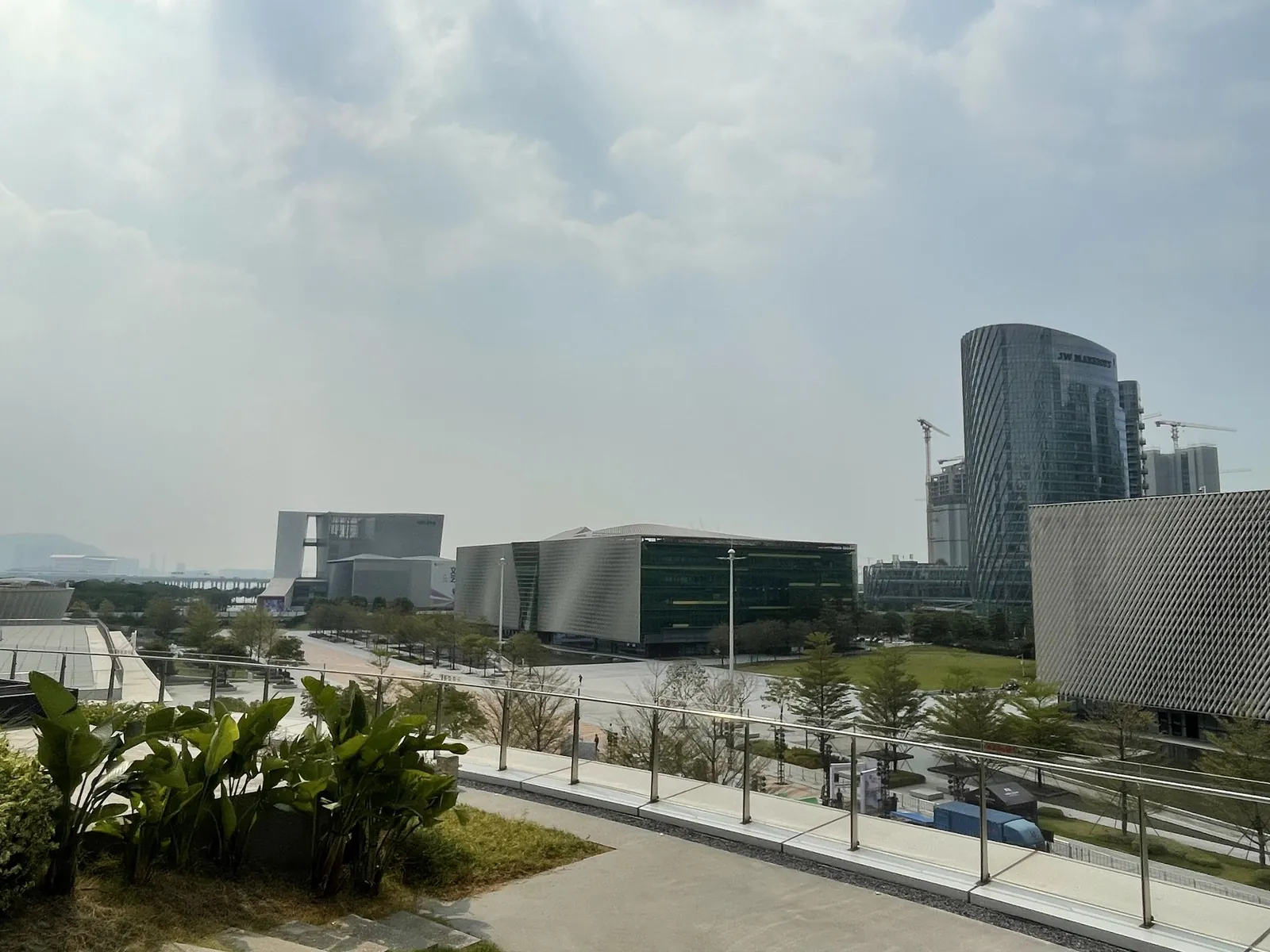 Bao’an, western Shenzhen: polished, planned.
Shanghai: more is different
- I was only there a few days, but it felt too big for me, like an endless human maze. Too many buildings everywhere cast ominous shadows. I want to be able to see the horizon, for the landscape to be defined and ‘punctuated’, so I can feel oriented.
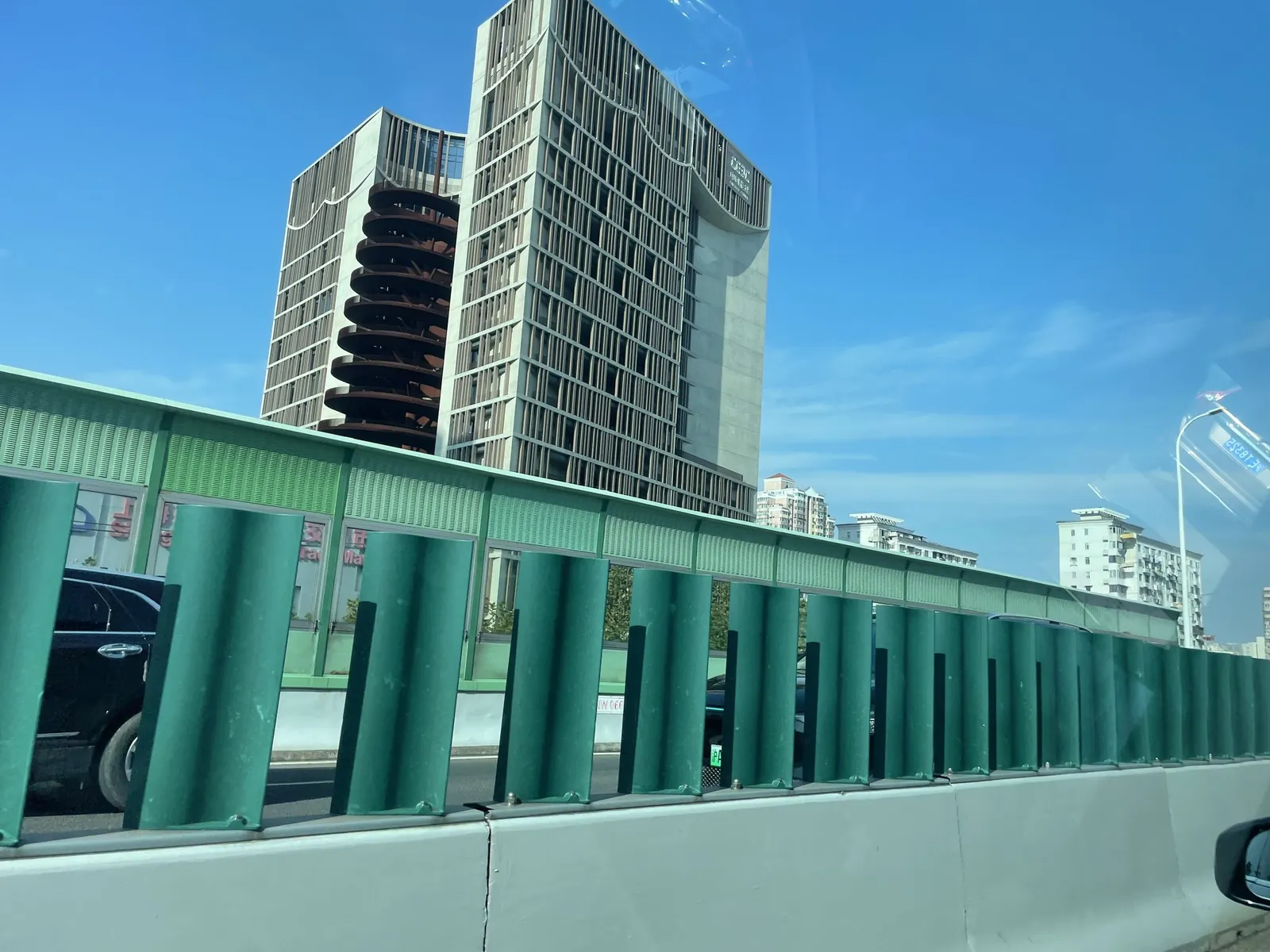
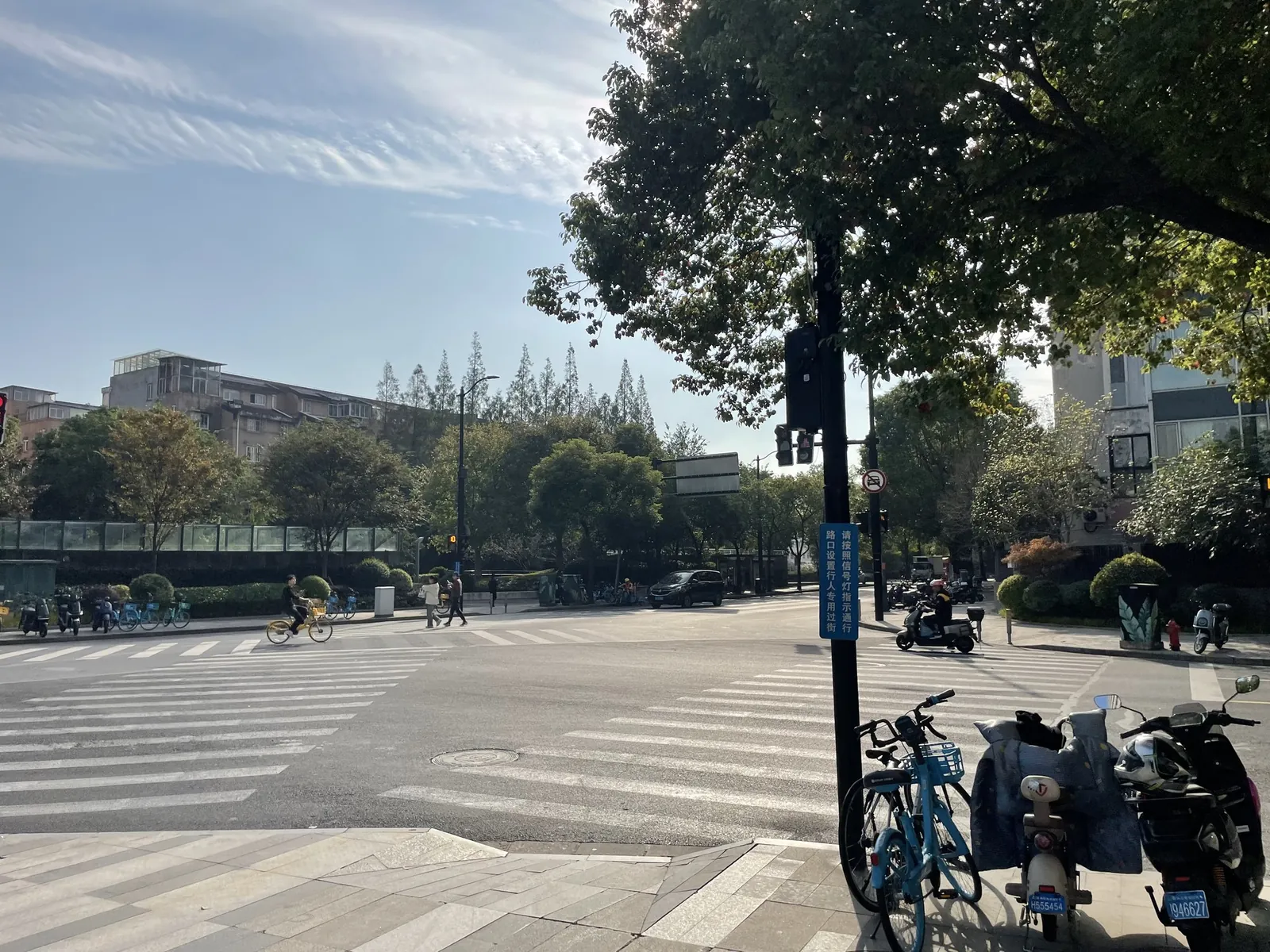
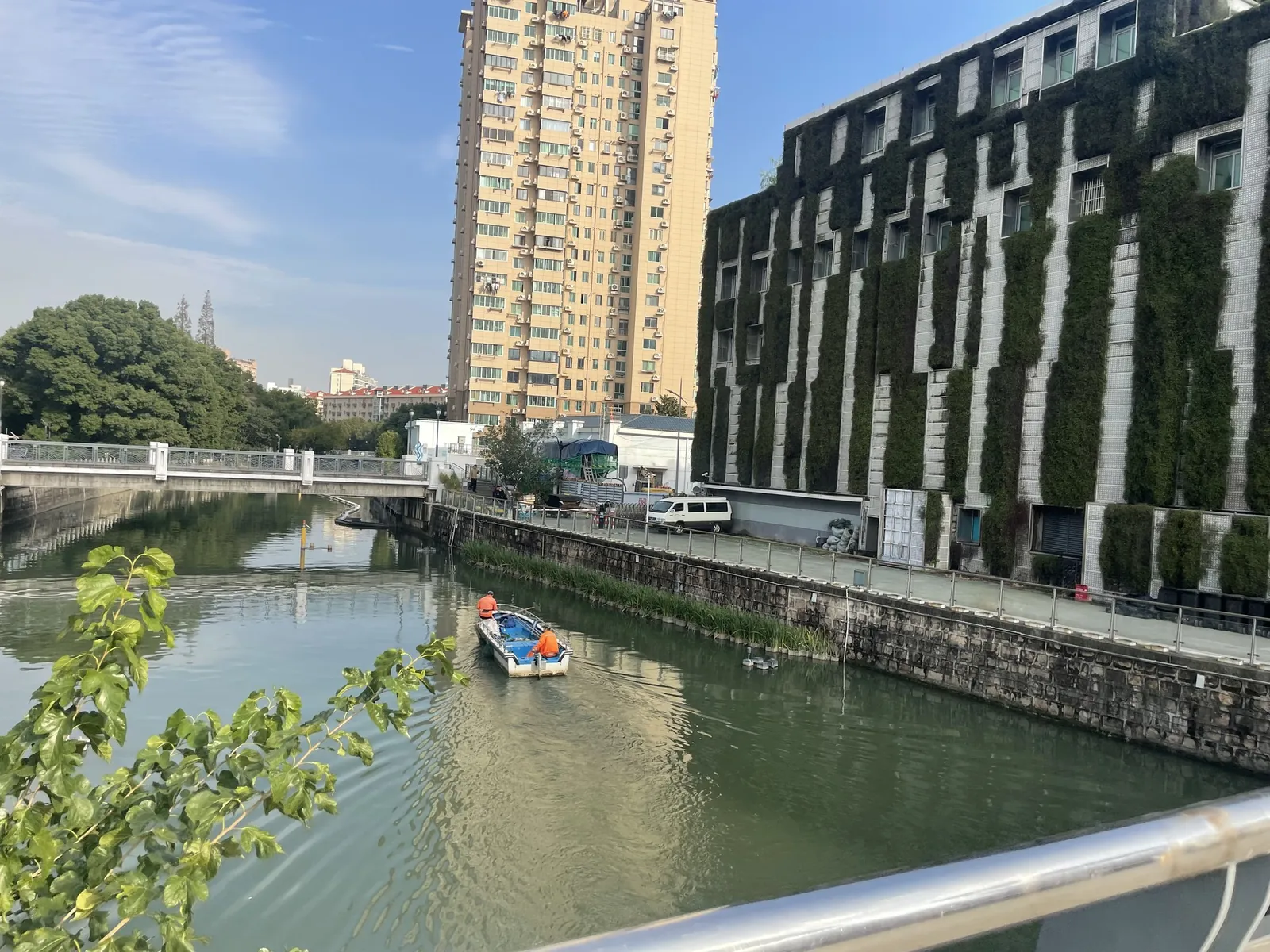 Shanghai: towers from an elevated highway, then a crossing and a canal in Yangpu.
Singapore: form without function
- Make no mistake: Singapore is an excellent 1st-world city. Very comfortable, very safe, very convenient.
- However, for all of LKY’s efforts and charisma, I lacked a sense of romanticism in this country, that you would feel in places like San Francisco (China did not have this problem).
- To me, the whole island just felt like one giant mall. Somewhere I’d want to visit for shopping, but not a place I’d make home.
- I spent most of my time downtown in Chinatown so that may have been the issue. Maybe there ARE nice places I just didn’t go to.6
- The population density is also somewhat inhumane. If you love feeling like nobody, this is the place to be.
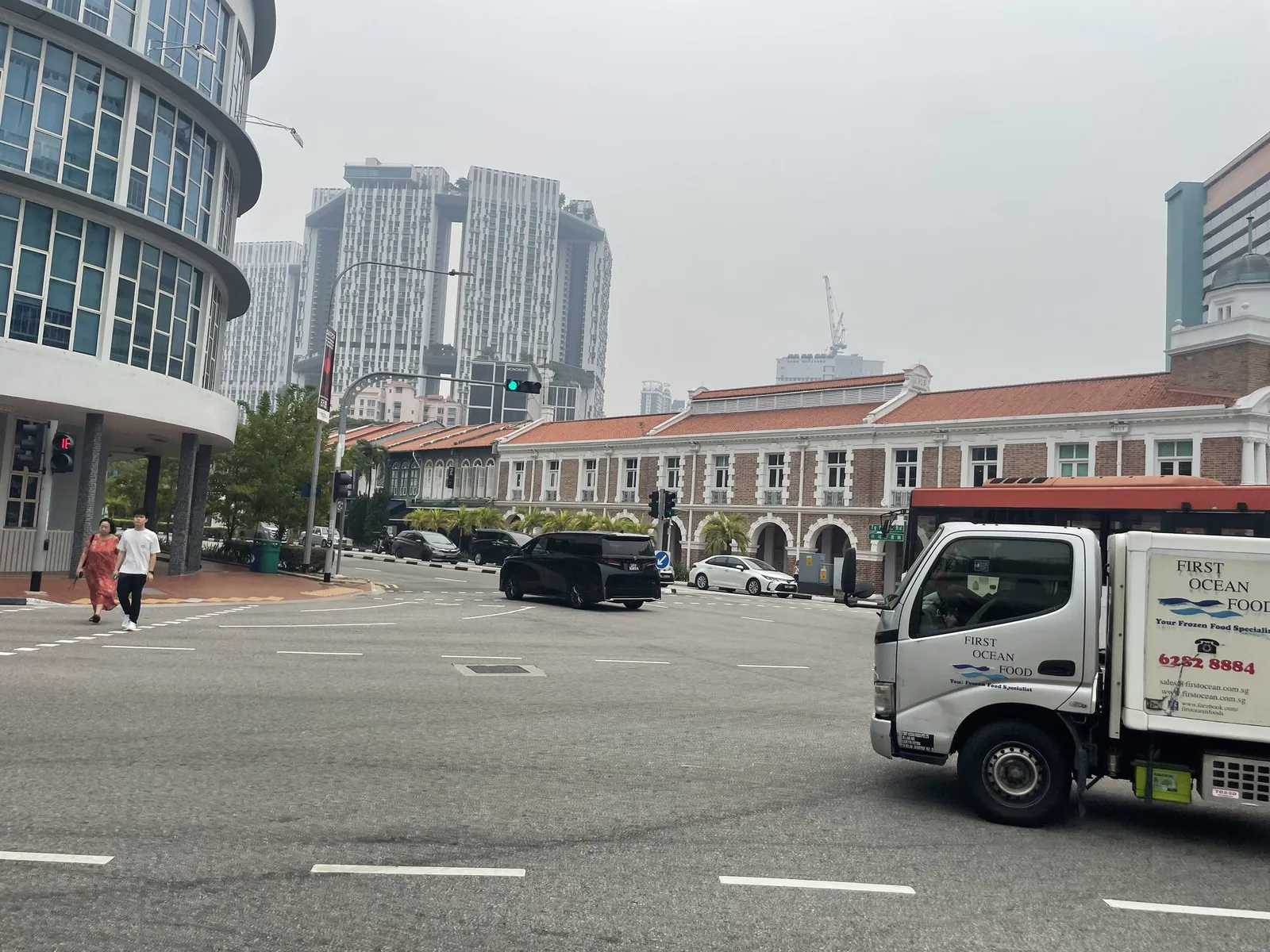
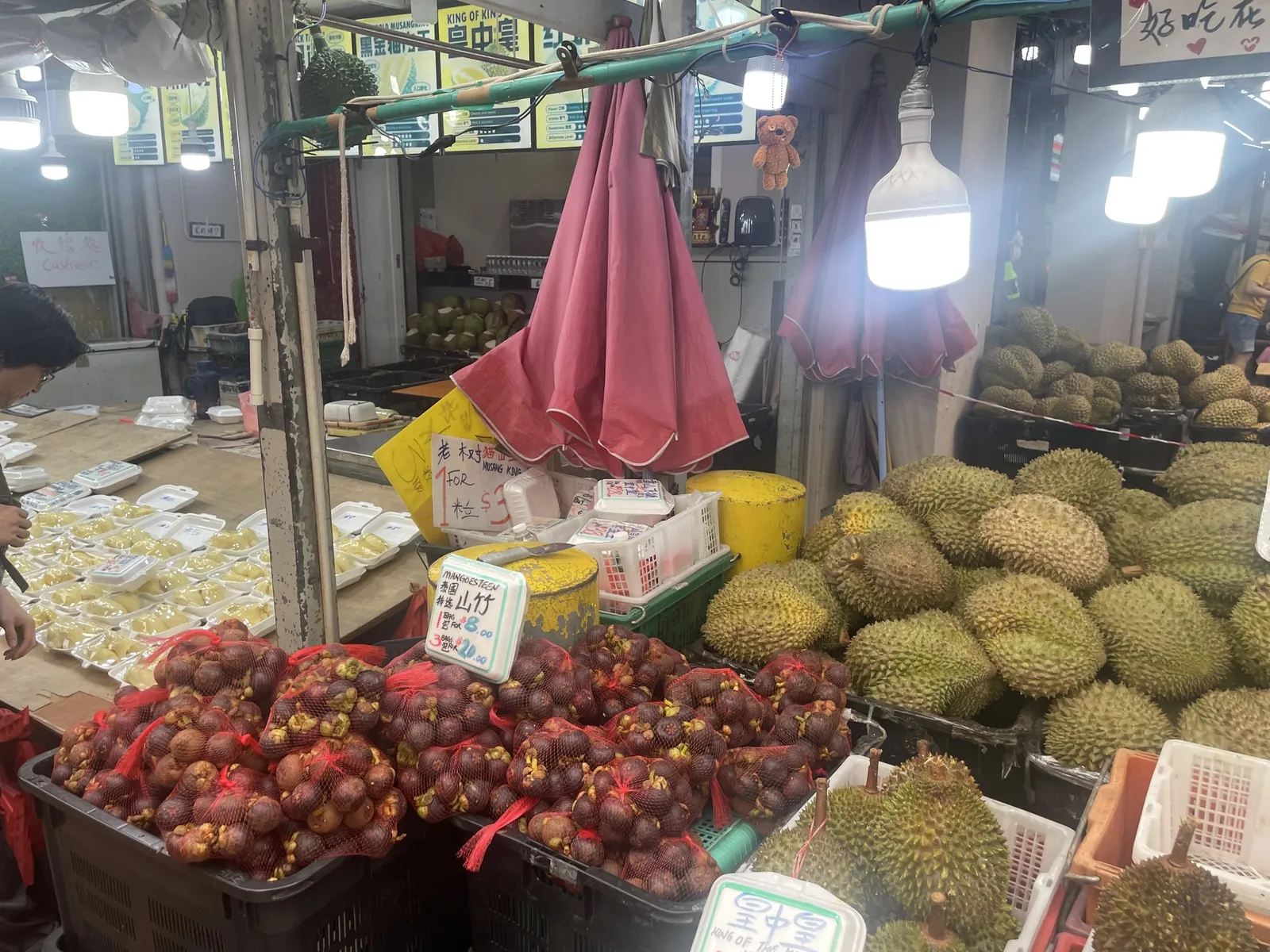
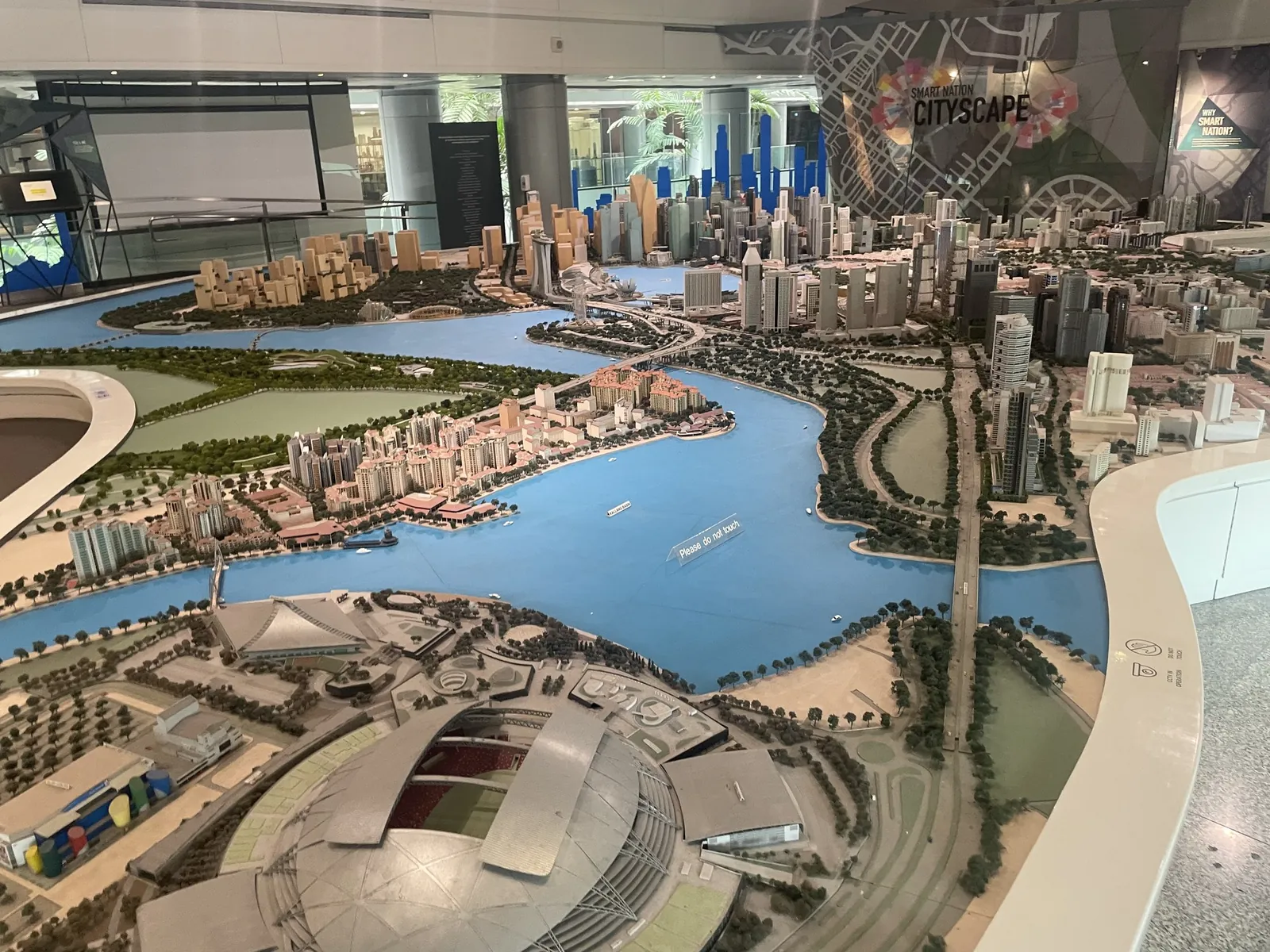 Around Chinatown, Singapore: shophouses under the Pinnacle@Duxton, a durian stall, and the city in miniature at the Singapore City Gallery.
- Singapore is often labeled solarpunk, but there’s a lot of form without function. Gardens by the Bay’s metal trees have a cool aesthetic but at the end of the day, it’s just a park and tourist attraction.7 Yes, the Changi Airport has a nice waterfall and gardens. But so what?
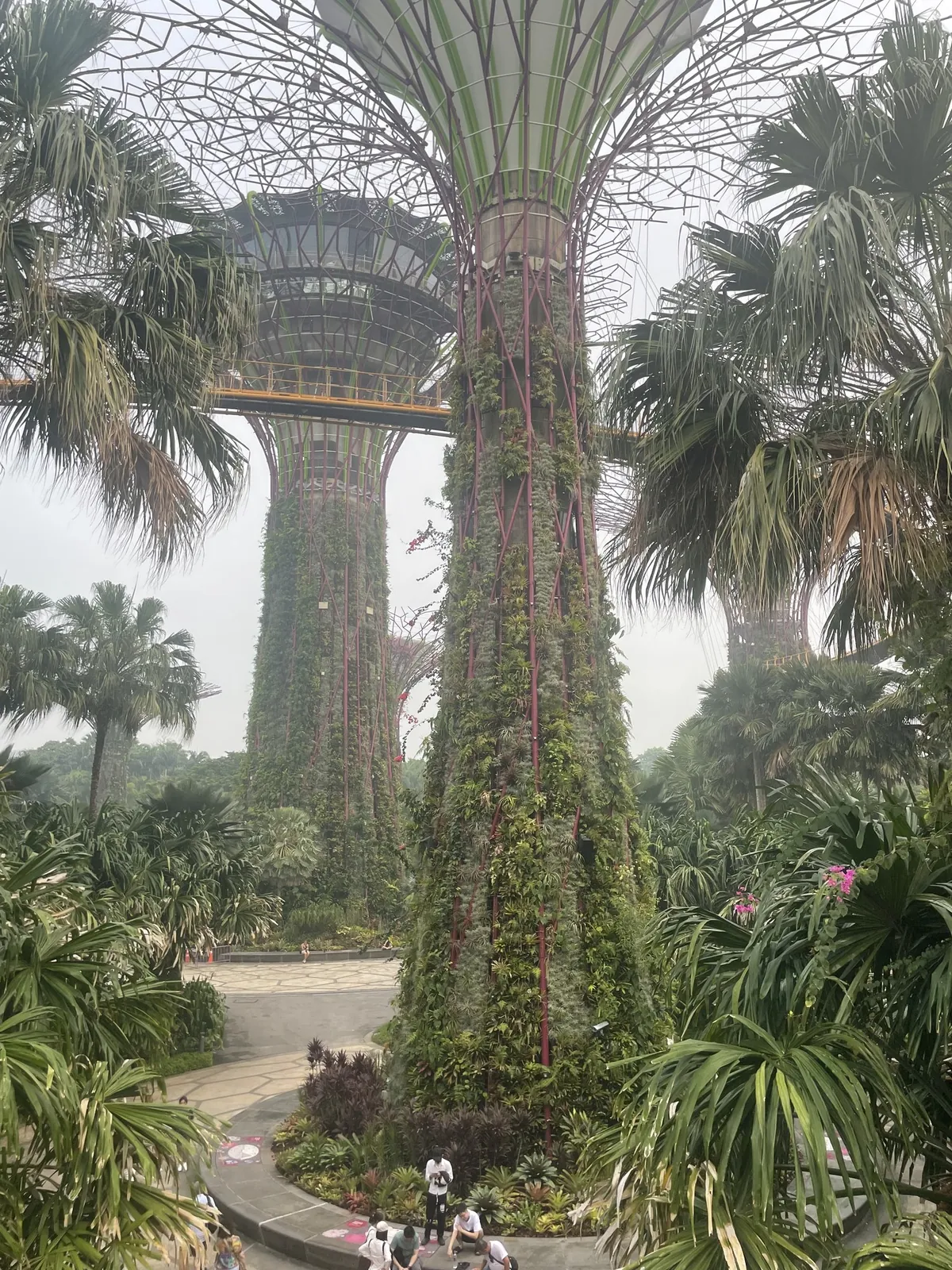
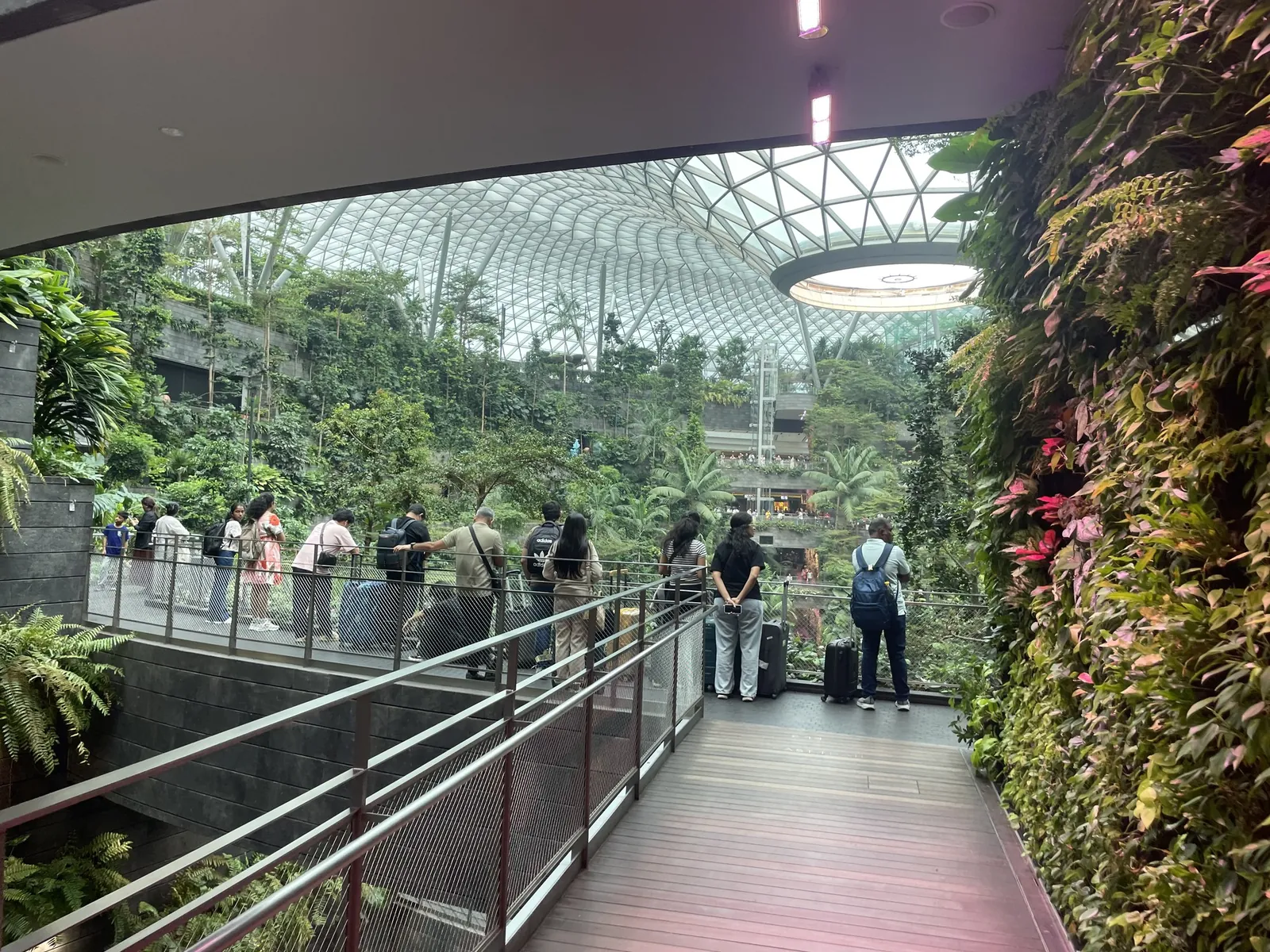
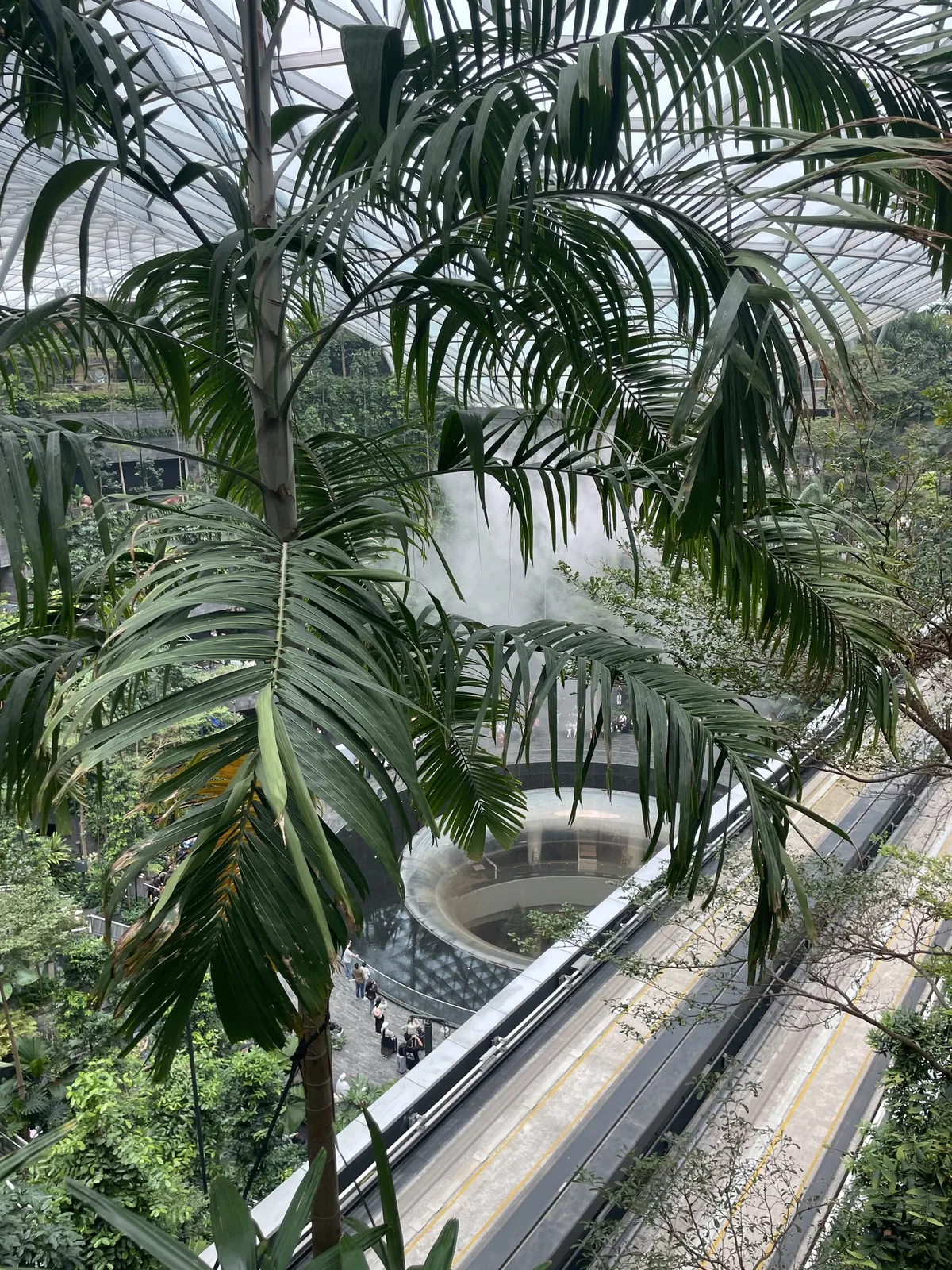 Singapore: a Supertree at Gardens by the Bay, and the indoor forest at Jewel Changi Airport.
- One thing works great: the hawker centres. The government builds and runs the food courts and rents stalls out cheaply to individual cooks, who must run the stall themselves, so there’s no subletting and no landlord in the middle. Low rent keeps meals cheap (you can eat well for 6-10 SGD!) and makes cooking a viable small business. More cities should copy this.8
- People are quite restrained in China in terms of what they deem appropriate to discuss, whereas in Singapore my Grab drivers would cheerfully dive into controversial topics unprompted.
A world of its own
- China is the most disconnected country I’ve visited. Payments, delivery, ride-hailing, search and everything, really, have no overlap with Western providers. (Btw, if you’re going, check out SZSTUFF, a hand-checked list of practical resources for Shenzhen for payments, metro, visas and more. I’m not affiliated.)
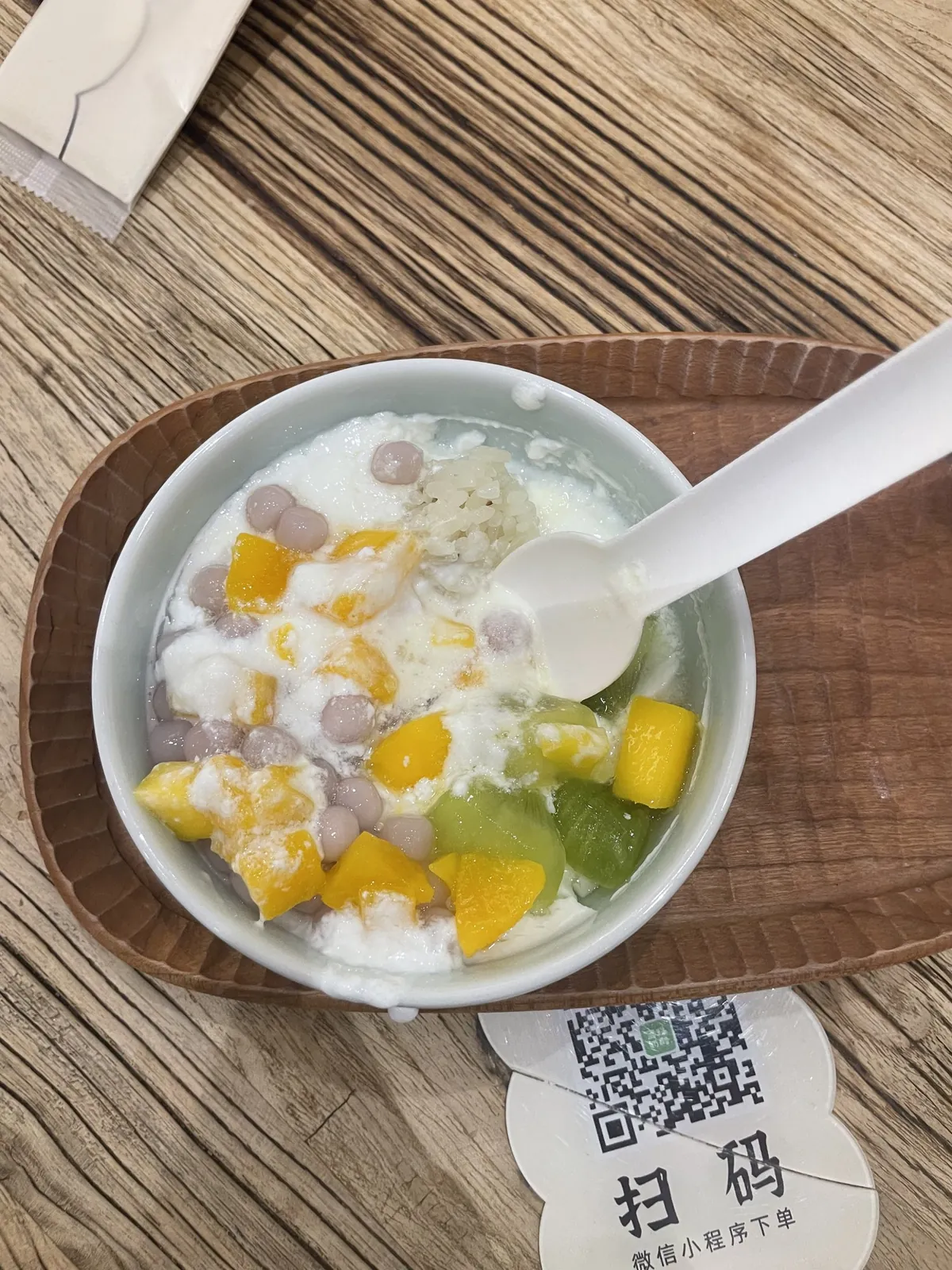 a bowl of dessert soup in Shanghai. Almost every restaurant has QR codes for menus & ordering on the tables.
- Maybe 15% of young people speak some English. Fewer than 5 people were able to talk fluently with me. Overall it’s a huge boost to have an AI assistant for navigation, orienting yourself and translation.
- This is part of why it’s worth learning Chinese and getting into these spheres. An internet that grew up on its own has had room to develop its own tools and habits, the way isolated islands end up with species found nowhere else. Some of them are probably better than ours.
- I feel like such an idiot for not knowing Mandarin or more about Chinese culture.
- There’s literally a whole world out here. I’d need months or years to even start to get a good picture of it, because of its size, its many cities and all the detail.
- China changes at internet speed, but in concrete and steel. Like, I’ll probably never know any of these places well, because by the time I finish absorbing one part, another would have completely changed!
- After all, most of the structures and things I saw are probably, what, less than 30 years old ?
What I still don’t know
My biggest blind spot is that I experienced China as a user of its infrastructure, not a citizen living inside its constraints.
- Would Guangzhou still feel the same if I had a local salary and was building a career, buying a home, and putting a kid through school?
- I saw the glittering coastal hubs and one western megacity. What about the vast, quieter parts of the country? What are the private tradeoffs of domestic life, education, and personal freedom that you can’t see from a high-speed train window?
- What does “collective competence” look like from the perspective of a delivery rider, a small-town teacher, or a retiree?
Footnotes
-
The fastest Beijing–Shanghai train covers 1,302 km in 4 hours 24 minutes. The longest high-speed service, Beijing to Kunming (2,760 km), takes about 10.5 hours. Source: Wikipedia, High-speed rail in China. ↩
-
Guangdong had 1.13 million births in 2024, the most of any province for the seventh year running, at 8.89 births per thousand people against 6.77 nationally. Nationally, though, births fell to a record low of 7.92 million in 2025. Sources: Yicai Global, Rhodium Group. ↩
-
In the 2019 national student survey, women aged 19–22 averaged 166.2 cm in Heilongjiang and 163.9 cm in Shandong, against 159.7 cm in Guangdong and 159.4 cm in Sichuan. Source: 2019 Chinese National Survey on Students’ Constitution and Health, as tabulated by Sohu. ↩
-
The halal noodle shops found across China were largely founded and run by Hui people from Hualong county in Qinghai rather than by people from Xinjiang. Source: The World of Chinese. ↩
-
The repression documented by the UN human rights office is concentrated in Xinjiang, far from the four cities in this post. Its 2022 assessment said the detention of Uyghurs and other mostly Muslim minorities there may constitute crimes against humanity. Source: OHCHR. ↩
-
Next time I should check out the older heartland neighborhoods like Tiong Bahru, Joo Chiat and the public housing estates in Toa Payoh, plus the Rail Corridor and MacRitchie Reservoir. Out there the greenery is part of ordinary housing. The housing board’s Green Towns Programme is adding cool paint and rooftop greenery to estates to bring down urban heat. ↩
-
They do vent the greenhouses and carry some solar panels, but that mostly serves the S$1 billion attraction itself. The Supertrees were devised around the chimney flues of the biomass furnaces that help cool the two glass conservatories, and their solar panels generate about enough power to light the Supertrees themselves. The Gardens cost S$1.035 billion to build, excluding land. Sources: Royal Academy of Engineering, Atelier Ten, Singapore parliamentary reply, Gardens by the Bay. ↩
-
The median monthly rent for non-subsidised cooked-food stalls at government-run hawker centres was about S$1,250 between 2015 and 2023; new tenders in 2023 went for a median of about S$1,800. Hawkers must personally operate their stalls, which the government says stops tenants from subletting at a markup. Sources: Ministry of Sustainability and the Environment, parliamentary reply, March 2025. ↩